Payment methods

As Apple releases new models annually, consumers often wonder about the compatibility of existing accessories, especially cases, with the latest devices. The iPhone 16 and iPhone 17 series exemplify this concern, particularly for those who prefer to reuse their current cases or are considering purchasing new ones with environmental or aesthetic preferences in mind. Understanding whether an iPhone 16 case will fit the iPhone 17 entails examining the physical design alterations, internal component placements, and external features that influence case compatibility. At skate4create.com, we analyze these factors carefully to help users make informed decisions before upgrading.
Historically, Apple tends to retain certain design elements across consecutive iPhone generations, particularly regarding size and button placement. However, each new release often introduces key modifications that can render previous cases incompatible. The shift from iPhone 15 to iPhone 16 brought marginal adjustments, primarily in camera module design and internal components; these changes may not drastically affect case fit. Conversely, the transition from iPhone 16 to iPhone 17 is more significant, with notable variations in dimensions and hardware layout, directly impacting accessory compatibility.
To gauge whether your current iPhone 16 case will fit the iPhone 17, it’s essential to closely compare their physical dimensions, camera systems, and external features. For instance, even minor increases in thickness or camera protrusion can prevent a case designed for the previous model from fitting snugly on the new device. The next sections delve into these specifics, along with insights into the importance of selecting cases tailored explicitly for the iPhone 17 to ensure optimal protection and functionality.
Given that case compatibility issues often arise from design reinterpretations, it is vital for users to verify exact measurements and features before attempting to reuse an existing case. Although some cases may appear similar visually, subtle differences in button placement, port positioning, or edge curvature can impact usability and protection. Apple’s strategic design adjustments aim to enhance user experience, but they also underscore the importance of investing in new cases designed specifically for each model.
This necessity is especially apparent with the introduction of new camera modules, new materials, and subtle ergonomic adjustments. Consumers should evaluate their current accessories’ specifications, considering whether these differences compromise fit or function. When shopping for a new case, focusing on official or reputable third-party options that specify compatibility with the iPhone 17 ensures better protection, durability, and aesthetic harmony. Exploring eco-friendly options is also increasingly popular, aligning technological upgrades with environmental values.
Understanding these nuances lays a foundation for making smarter purchases and avoiding the frustration of ill-fitting accessories. The subsequent sections will elaborate further on specific design changes, how they influence case compatibility, and tips for selecting the ideal protective accessory that complements the iPhone 17’s features and advancements.
The physical redesign of the iPhone 17 marks a significant consideration for users contemplating case compatibility. Apple introduces subtle yet impactful modifications with each iteration, and the shift from iPhone 16 to iPhone 17 is no exception. While the overall footprint may appear similar at first glance, close inspection reveals intentional adjustments that influence how cases fit and protect the device.
Most notably, the iPhone 17 models—particularly the Pro and Pro Max variants—feature alterations in thickness and weight. These changes often stem from enhanced internal components, such as upgraded battery sizes, improved cooling systems, and new hardware modules. For users who prefer a snug, precision fit, even a slight increase in device thickness can render older cases incompatible or loose-fitting.

Externally, the most visible difference is often attributed to camera module design. The iPhone 17 series introduces a larger, more prominent camera bump to accommodate advanced photography capabilities, such as higher-resolution sensors, improved stabilization, and new lens arrangements. This bump impacts cases with cutouts designed for previous generations, potentially leading to inadequate fit or obstructed camera use if the case isn’t specifically made for the new module.
In addition, the placement and size of external ports—such as the Lightning or USB-C port, speakers, and microphone openings—may see slight repositioning. Apple tends to optimize port locations for better audio and data transfer performance, which can affect the internal cavity of existing cases. Cases that were perfectly compatible with the iPhone 16 might not align properly with these new port placements, leading to issues like obstructed charging or inaccessible buttons.
One critical aspect of the overall size is the phone’s thickness, which influences how securely a case can grip the device. With the addition of new internal features, the iPhone 17 has increased in overall thickness, albeit marginally. Even differences of less than a millimeter can compromise the fit of cases designed for earlier models, especially those that rely on tight curvature and precise edge alignment for aesthetics and protection.
Beyond physical dimensions, material choices can influence compatibility. The iPhone 17 may use new construction materials that alter the device’s weight distribution. This subtle shift affects how cases with flexible or semi-rigid interiors respond to the device, which is particularly relevant for users seeking high-drop protection or slim-profile designs.
Given these numerous design parameters, it becomes clear that simply assuming old cases will fit the new model can lead to frustration and inadequate protection. Users should measure their devices carefully and compare these dimensions with official specifications from Apple or trusted third-party accessory providers. Investing in cases explicitly labeled for the iPhone 17 ensures not only proper fit but also maintains device integrity, functional camera access, and overall aesthetic harmony.
The camera modules of the iPhone 17 series have undergone substantial redesigns to accommodate advanced photography features, such as higher-resolution sensors, improved optical zoom capabilities, and enhanced stabilization systems. These improvements, while beneficial for capturing quality images, have significant implications for case compatibility. Most notably, the camera bump on the iPhone 17 models is larger and more protrusive than on the iPhone 16, affecting how cases snugly fit and securely protect the device.
Existing cases designed for the iPhone 16 often feature cutouts that align perfectly with previous camera modules. With the increased size and altered positioning of the camera bump on the iPhone 17, these cutouts can either obstruct the lens or leave the bump exposed, diminishing protection and potentially risking damage during daily use. Moreover, the new camera layout may include additional sensors or lenses that necessitate a different internal layout and external cutout configuration, making previous cases incompatible for optimal protection.
For users aiming to utilize their older cases with the new iPhone, it is vital to examine detailed specifications regarding camera dimensions and placement. If a case’s cutout overlaps with the lens area, it could interfere with photo quality or cause the camera to scratch surfaces while resting on flat surfaces. Therefore, purchasing cases explicitly marked as compatible with the iPhone 17 — particularly those designed to accommodate the larger camera bump — is advisable. Many reputable accessory manufacturers now release updated models aligned with the latest dimensions, emphasizing the importance of choosing compatible options to ensure the device’s camera remains protected and fully functional.
Alongside the camera modifications, Apple has refined the placement of external buttons and the MagSafe system in the iPhone 17 series. These updates are intended to improve accessibility, durability, and overall user experience. However, they also influence accessory compatibility in several ways.
Unlike previous models where the volume buttons, the mute switch, and the power button occupied fixed positions, the iPhone 17 now features adjustments in their placement or size to accommodate internal hardware changes. These subtle shifts, often measured in fractions of a millimeter, can create misalignments with older cases that rely on precise cutouts for functional buttons. Cases that do not account for these revised positions may hinder button responsiveness or reduce protection around delicate areas.
Similarly, the MagSafe magnet arrangement in the iPhone 17 has been slightly repositioned to optimize alignment and charging efficiency. Cases designed before this change might not offer the optimal magnetic connection, potentially leading to weaker attachment or charging issues. For users who rely heavily on MagSafe accessories — such as wallets or stands — choosing cases specifically made for the iPhone 17 with updated MagSafe compatibility ensures seamless use and reliable performance.
Ultimately, these modifications underscore the importance of purchasing cases tailored explicitly for the new model. They guarantee that all external controls function smoothly and that magnetic accessories operate at peak efficiency, providing convenience and peace of mind.
As consumers become increasingly conscious of environmental impacts, eco-friendly cases for the iPhone 17 are gaining popularity. These options combine technological protection with sustainable materials, offering a Green alternative without sacrificing style or durability. Manufacturers now produce cases made from recycled plastics, plant-based bioplastics, biodegradable silicones, or natural materials such as bamboo and cork.
Recycled plastic cases often feature innovative blends that maintain high impact resistance while reducing waste. These cases typically undergo rigorous testing to meet durability standards, ensuring your device stays protected. Handcrafted wood or cork cases provide an organic aesthetic and are biodegradable, appealing to users seeking a more natural look and feel.
Biodegradable options, which decompose safely in landfills after specified periods, often use advanced bioplastics and environmentally friendly dyes. Some brands also integrate sustainability into their supply chain practices by sourcing renewable materials and employing eco-conscious manufacturing processes. Moreover, purchasing these environmentally responsible cases helps reduce plastic pollution and promotes responsible consumption.
When selecting a sustainable case for your iPhone 17, ensure compatibility with device dimensions and internal features. Look for certification labels or branding from reputable eco-conscious manufacturers to verify claims. Choosing eco-friendly cases aligns with a commitment to environmental stewardship—keeping your device protected and reducing your carbon footprint simultaneously.

To maximize your device’s longevity and functionality, selecting an appropriately fitting case tailored specifically for the iPhone 17 is essential. The notable design changes, including camera size, button placement, and internal hardware adjustments, directly influence compatibility and protection. Using cases explicitly designed for the latest model ensures full access to functional buttons, unobstructed camera performance, and reliable MagSafe alignment.
Additionally, considering sustainable case options offers environmental benefits without compromising on protection or style. Recycled, biodegradable, or handcrafted materials are viable choices for eco-conscious users seeking to minimize their ecological footprint.
Before purchasing, verify the specifications and compatibility labels to avoid mismatched accessories that can compromise device safety. Precise measurement and understanding of the differences between models help prevent frustration and ensure your iPhone 17 remains secure and fully functional. Investing in high-quality, tailored cases not only provides essential protection but also enhances your experience by maintaining the device’s aesthetic appeal and leveraging the latest design features introduced by Apple.
The differences among iPhone 17 models—standard, Plus, Pro, and Pro Max—have notable implications for case compatibility. Each variant sports specific hardware enhancements, primarily concerning camera modules, size, and internal component arrangements. These distinctions necessitate careful selection of cases tailored to each model to ensure optimal fit, protection, and functionality.
The most striking variation across iPhone 17 models lies in their camera systems. The Pro and Pro Max models feature significantly larger and more protrusive camera bumps designed to house advanced lenses and sensors, such as periscopic zoom capabilities or higher-resolution sensors. This enlarged module extends beyond the typical boundary of cases designed for earlier models, making compatibility a critical concern. A case meant for the iPhone 16 or standard iPhone 17 may not accommodate these larger camera bumps without risking obstruction or damage.
Existing cases with cutouts tailored to previous camera dimensions often leave the new, larger lenses exposed or cause obstruction during photography. Some cases might even exert pressure on the protruding bump, possibly resulting in scratches or cracks over time. This compels users to seek cases explicitly designed for the latest camera layout, especially for Pro models, to maintain camera integrity and ensure unobstructed access for photography and AR features.
Apple also refined external controls and magnetic alignments in the iPhone 17 series. The placement of volume buttons, the mute switch, and the power button have been subtly adjusted to enhance ergonomics and durability. While these changes are minor, they influence case design, especially for models relying on precise cutouts for tactile responsiveness and protection.
Cases with outdated cutouts may hinder button responsiveness or obstruct proper operation, diminishing user experience. Additionally, the repositioning of MagSafe magnets, to improve alignment and energy transfer, means that older cases may not provide optimal magnetic connection, affecting the device’s charging experience or accessory attachment. For users opting for MagSafe accessories or wallets, selecting cases explicitly designed with the new magnet layout is advisable to avoid compatibility issues.
In the realm of sustainable design, manufacturers now offer a variety of eco-conscious cases compatible with the iPhone 17. These options utilize renewable and recycled materials, providing robust protection while minimizing environmental impact. Recycled plastics, plant-based bioplastics, biodegradable silicones, and natural materials like bamboo or cork are common choices that align with green principles.
Recycled plastic cases undergo extensive testing to meet impact resistance standards, ensuring your device remains protected without contributing to plastic waste. Natural fiber cases, such as cork or bamboo, offer organic aesthetics and biodegradability, reducing landfill accumulation after disposal. Biodegradable cases, crafted from advanced bioplastics, decompose safely within a designated timeframe, making them ideal for eco-conscious consumers.
When opting for sustainable cases, verify compatibility with your specific iPhone 17 model and ensure the case’s design accounts for the larger camera bump and revised button placement. Look for certifications or branding from manufacturers committed to ecological sustainability. These choices enable users to safeguard their devices while actively reducing their ecological footprint, integrating environmental responsibility into everyday tech usage.
Ensuring your iPhone 17 is protected involves selecting a case explicitly designed for its unique hardware and design features. The differences in camera modules, external button placement, and internal hardware layout make generic or previous-generation cases unsuitable. Investing in accessories labeled for the iPhone 17 guarantees a proper fit, full functionality, and protection against everyday wear and tear.
Furthermore, bespoke cases that cater specifically to the Pro or Pro Max variations will better accommodate larger camera bumps and internal component changes, providing seamless photography access and comprehensive device coverage. For environmentally conscious users, choosing eco-friendly materials without sacrificing performance aligns protection with sustainability goals.
Always verify product compatibility, look for official or reputable third-party labels, and measure your device carefully before purchase. This diligence prevents potential fit issues, protects your investment, and enhances the overall user experience. Properly fitting cases also preserve the aesthetics of your device, keeping it stylish while safeguarding against accidental drops, scratches, and dust ingress.
While it might be tempting to reuse an existing case from an iPhone 16 for your new iPhone 17, several critical factors determine whether such a transfer is feasible. The subtle yet impactful design modifications in the iPhone 17 series significantly influence case compatibility, necessitating a detailed understanding of these changes before making your upgrade. From updated dimensions to internal hardware shifts, each element plays a pivotal role in safeguarding your device and ensuring seamless functionality.
The first aspect to consider is the overall size and shape of the device. Apple consistently works to refine ergonomics and durability, often resulting in slight increases in thickness or adjustments in the device’s weight distribution. The iPhone 17 models, especially the Pro and Pro Max variants, have incorporated larger internal batteries, enhanced cooling components, and new internal hardware, all contributing to a marginal increase in device dimensions. Even differences as small as a fraction of a millimeter can prevent an iPhone 16 case from fitting properly on an iPhone 17.
The most striking external change that impacts case compatibility is the camera system. The iPhone 17 series, particularly the Pro models, feature a larger and more protrusive camera bump. This design adjustment is made to accommodate higher-resolution sensors, improved optical zoom, and additional lenses or sensors. Cases designed for the iPhone 16 often have cutouts matching the previous, smaller camera bump. When attempting to use these with the iPhone 17, the larger bump can cause obstruction, compromise protection, or force improper fitment, potentially risking damage to the lenses or the device itself.
Additionally, the placement and size of external ports such as Lightning or USB-C, speakers, and microphones have seen subtle repositioning to optimize performance and internal space. If a case’s cutouts do not align precisely with these new port locations, users may find themselves unable to charge their device comfortably or access essential controls easily. This misalignment diminishes both functional usability and aesthetic integration.

Button placement and the MagSafe system also undergo revisions. The iPhone 17’s volume and power buttons may be subtly repositioned or reshaped for better ergonomics and durability. Cases built for the previous models might have cutouts that do not align perfectly, leading to decreased responsiveness or accidental presses. Furthermore, the MagSafe magnets have been slightly repositioned to improve magnetic alignment and charging efficiency; cases not specifically designed for this new configuration can result in weaker magnetism or misaligned accessories, impacting daily usability.
Apple’s use of new materials for internal components influences the device’s overall weight distribution and thickness. For example, the integration of more advanced cooling systems or larger batteries may alter the device’s overall profile, even if the external dimensions seem similar. Such variations can cause older cases to fit loosely or not provide adequate protection, especially in areas near the edges or corners.
Flexible or semi-rigid cases that used to snugly conform to the iPhone 16 might no longer offer the same resilience or fit on the iPhone 17. This can lead to gaps or reduced shock absorption, especially during accidental drops. Therefore, it’s crucial not to rely solely on visual similarity; precise measurements and official compatibility specifications should guide your decision-making.
Given these design intricacies, it’s advisable to choose cases explicitly labeled for the iPhone 17. Reputable brands test their cases against the latest Apple models and update their designs to accommodate these hardware and physical modifications. Official Apple cases, for instance, are accurately tailored to the latest specifications, ensuring a snug fit, full camera protection, and seamless button functionality.
Many third-party manufacturers also release updated cases promptly after new iPhone models debut. These often incorporate improvements based on user feedback, such as enhanced grip, better shock absorption, or eco-friendly materials, all while maintaining precise compatibility with the iPhone 17’s unique design features.
While compatibility is crucial, many users also seek sustainable options. Eco-friendly cases made from recycled plastics, biodegradable bioplastics, or natural fibers are increasingly prevalent. These materials are not only gentle on the environment but often designed with modern manufacturing standards to fit new phones accurately, including the iPhone 17. Investing in such cases ensures your device remains protected without compromising your eco-conscious values.
Before transitioning to an iPhone 17, verify the compatibility of your current case by reviewing manufacturer specifications. If your existing case is from the iPhone 16 series, expect that a direct reuse might not offer satisfactory protection or usability due to the design alterations discussed. Instead, opt for a case explicitly designed for the iPhone 17 to ensure optimal fit, protection, and access to all features. For environmentally minded users, prioritize cases that balance durability with sustainability, aligning your tech upgrade with the planet’s needs.
Ultimately, investing in a purpose-built case for your new device preserves its aesthetic appeal, maintains full functionality, and prolongs its lifespan, making your upgrade both safe and stylish.
While it might be tempting to reuse a previous iPhone case for your new device, several crucial factors influence whether an iPhone 16 case will fit the iPhone 17. Apple’s incremental but significant hardware modifications, especially regarding the camera system, external button placement, and device dimensions, have profound implications on accessory compatibility. Ensuring proper fit and protection requires understanding these key differences and making informed choices aligned with your device’s new specifications.
The physical dimensions of the iPhone 17, particularly the Pro and Pro Max models, have evolved to incorporate advanced features and internal components. Apple has increased the size and protrusion of the camera bumps to accommodate higher-resolution sensors, improved lenses, and additional sensors, which directly influence case compatibility. Even subtle increases in device thickness or changes in the curvature of edges can cause older cases designed exclusively for the iPhone 16 to fit poorly or become entirely incompatible.
Externally, the position of ports, speakers, and microphones often undergo refinement to improve performance and user experience. These minor shifts might seem negligible but impact the internal cutout sizes and placements in cases. For instance, a case with cutouts aligned precisely for the iPhone 16’s port locations may obstruct charging or audio functions if used with an iPhone 17, which may have moved or resized these elements slightly.
Moreover, the increase in device thickness due to new internal components influences how securely a case can fit. Cases that relied on a tight, form-fitting design for the previous model might become loose or fail to provide adequate shock absorption, especially if their material flexibility is insufficient to accommodate the new dimensions.
The evolution of the camera system on the iPhone 17 is arguably the most noticeable difference affecting case compatibility. The Pro and Pro Max models feature larger, more protrusive camera bumps, designed for enhanced photography capabilities. Consequently, cases built for iPhone 16—whose camera cutouts were optimized for smaller modules—may no longer provide proper clearance, risking lens obstruction or exposure to damage.
This discrepancy underscores the importance of using cases explicitly manufactured or marked as compatible with the iPhone 17 series. Cases with cutouts that are too small or positioned incorrectly can compromise both protection and photography quality, especially when instant access or unobstructed lenses are critical for the user.
Alongside camera modifications, Apple has subtly adjusted the placement and size of external buttons and the MagSafe system. The location of volume buttons, the mute switch, and the power button may shift slightly to improve ergonomics and hardware durability. These changes, while minor, impact cases that rely on precise cutouts for tactile responsiveness. Cases not tailored for the iPhone 17 might hinder button operation or reduce responsiveness, leading to user frustration.
Similarly, the arrangement of MagSafe magnets has been优化 to enhance energy transfer and magnetic alignment. Older cases with outdated MagSafe designs might not provide optimal adhesion or charging efficiency. For users heavily reliant on MagSafe accessories—such as wallets, stands, or chargers—the selection of cases specifically designed with the updated magnet placement ensures reliable attachment and seamless operation.
Apple’s strategic adjustments in internal hardware may result in subtle changes in device weight distribution and overall profile. The use of new, more advanced materials, larger batteries, or improved cooling components can increase device thickness or alter surface curvature. These modifications can cause older cases, which relied on precise molding based on previous dimensions, to fit loosely or offer subpar protection.
Flexible or semi-rigid cases designed for earlier models might not adapt well to these slight variations, leading to gaps or less effective shock absorption. For optimal protection, users should opt for cases specifically designed for the iPhone 17, which will account for these nuanced design changes.
Due to these detailed differences, it is highly recommended to purchase cases labeled specifically for the iPhone 17. Reputable brands and Apple’s official accessories undergo rigorous testing to ensure perfect compatibility, proper camera aperture clearance, button responsiveness, and effective MagSafe magnet positioning. These dedicated cases are designed considering every hardware and dimension alteration, delivering the best experience.
Many third-party manufacturers also release updated cases immediately after new iPhone models launch, often integrating user feedback to refine fit, grip, and eco-friendly materials. When choosing a case, verify compatibility labels, and consider buying from trusted sources that openly specify support for the iPhone 17 cadre of models.
Alongside fit and protection, environmental sustainability is increasingly prioritized. Modern eco-friendly cases made from recycled plastics, biodegradable bioplastics, or natural fibers like cork and bamboo align with green values without compromising durability. These options are often manufactured to exact specifications for the iPhone 17, ensuring proper fit while reducing environmental impact.
Investing in such environmentally conscious cases promotes responsible consumption, supporting efforts to diminish plastic waste and landfill contributions while maintaining high standards of device safety.

Prior to upgrading, thoroughly verify that your chosen case is explicitly compatible with the iPhone 17 series. Confirm that it accommodates the larger, more protrusive camera bump, revised button placement, and updated port locations. Consider models with reinforced corners and shock-absorbing materials for enhanced protection against accidental drops.
Pair your new case with a screen protector designed for the iPhone 17 to offer comprehensive safeguarding against scratches, cracks, and impact damage. Ensuring all accessories are compatible and installed correctly prolongs the device’s lifespan and maintains its aesthetic appeal.
When upgrading, responsibly dispose of or recycle your previous case—many manufacturers and local recycling programs accept old electronics accessories for environmentally safe disposal. Opting for new cases made from recycled or biodegradable materials helps you reduce your ecological footprint, aligning your device upgrade with sustainable practices.
In summary, proper accessory selection is vital for protecting your new iPhone 17. Understanding the intricate design changes and purchasing explicitly compatible, environmentally friendly cases ensure your device remains safeguarded, functional, and stylish throughout its lifespan.
While it might seem convenient to reuse your old iPhone 16 case for the newer iPhone 17, a multitude of design changes introduced with the latest model complicate this assumption. Apple’s engineering modifications aim to improve user experience and device performance but often lead to compatibility challenges for existing accessories. From subtle alterations in device dimensions to significant changes in camera bump size and button placement, each factor plays a critical role in whether your current case will fit and protect your new device effectively. At skate4create.com, we analyze these nuanced design differences to guide you through making an informed decision as you prepare to upgrade.
The second-generation iPhone 17 series features several noteworthy modifications that impact case fit. Most prominently, the camera system has undergone substantial upgrades. The Pro and Pro Max models now boast larger, more protrusive camera modules to house higher-resolution sensors, improved optical zoom capabilities, and additional lenses. This results in a significantly larger camera bump compared to the iPhone 16, sufficient to obstruct or misalign cases designed for earlier models if not explicitly made for the new dimensions.
Externally, other physical modifications include slight increases in device thickness due to internal component upgrades such as more advanced batteries, cooling systems, or additional sensors. These internal changes impact the device’s overall profile, making older cases potentially loose-fitting or inadequate in shock absorption. Even the curvature of the device edges has been subtly refined, influencing how snugly a case can hug the device without gaps. The placement of ports like USB-C or Lightning, as well as speaker and microphone cutouts, also see minor adjustments to optimize internal layout and performance, further affecting case compatibility.
The most noticeable hardware change is the larger, more protrusive camera bump, which requires cases with adequately sized cutouts. Using a case not designed for the new bump can obscure lenses, increase the risk of scratches, and negatively impact photo quality. Many cases built for prior generations may not have sufficient clearance, leading to obstructed lenses or inadequate protection against impacts.
Additionally, Apple has fine-tuned external button and mute switch placement to enhance usability and durability. These adjustments, while minor, mean that cases made before the new models may misalign with the buttons, hindering responsiveness or causing accidental presses. The repositioning or reconstruction of MagSafe magnets to improve energy transfer and attachment further influences compatibility; cases not designed for the new MagSafe layout may have weaker magnetic bonds or misaligned charging coils, affecting accessories like wallets, stands, and chargers.
The internal hardware upgrades often involve different materials or increased component sizes, affecting the device’s weight distribution and overall thickness. For instance, larger batteries or enhanced cooling mechanisms make the device marginally thicker, which can compromise the fit of older cases reliant on precise molding. Flexible cases designed for the previous generation might not adapt well to these changes, leading to gaps or reduced shock absorption in critical areas like corners or edges.
Given these significant hardware and design adjustments, it is advisable to opt for cases explicitly marketed as compatible with the iPhone 17. Reputable brands and Apple’s official accessories are tested rigorously to ensure perfect alignment with new dimensions, button placements, camera configurations, and MagSafe layouts. Updating your case ensures full protection, ease of access, and compatibility with new features like improved MagSafe attachments.
More consumers now prioritize environmentally conscious choices when upgrading their devices. The market has responded by offering eco-friendly cases crafted from recycled plastics, bioplastics, biodegradable silicones, or natural materials like cork, bamboo, and reclaimed wood. These options combine durability and style with sustainability, allowing you to protect your device while reducing ecological impact.
Before making the switch, confirm that your desired case is designed explicitly for the iPhone 17. Look for labels, specifications, and reviews indicating compatibility with the latest models, considering size, camera cutouts, button placement, and MagSafe alignment. For optimal protection, select cases with reinforced edges, impact-absorbing materials, and precise internal cutouts for all ports and buttons.
Pair your case with a compatible screen protector to provide comprehensive safeguarding against scratches, cracks, and impacts. Proper fit and compatibility also ensure you enjoy full access to all features, including camera functionality and wireless charging capabilities.
Upgrading your case along with your device prevents damage, maintains aesthetic appeal, and offers peace of mind whether you are a casual user or a photography enthusiast. Due diligence in choosing the right accessories will enhance your overall ownership experience, safeguarding both your device and pocketbook.
Understanding whether your current or previous-generation case will fit the new iPhone 17 requires a detailed analysis of how Apple’s design revisions impact accessory compatibility. Although the size difference might seem minimal on paper, the integration of larger camera modules, new material choices, revised button placement, and advanced internal components creates a complex matrix of factors that influence fit and protection. These modifications are designed to enhance user experience and device performance but can inadvertently render older cases incompatible or less effective. At skate4create.com, we analyze these changes to help you make informed decisions before upgrading your device and accessories.
The physical dimensions of the iPhone 17, especially the Pro and Pro Max models, have evolved to accommodate advanced hardware features. A primary change is the enlargement of the camera bump, a design choice driven by the need to house higher-resolution sensors, improved optics, and sometimes additional lenses or sensors. This protrusion makes compatibility with prior cases challenging, as cases designed for iPhone 16 may not provide adequate clearance or protection for the new, larger camera module.
In addition, the overall device thickness has increased marginally due to larger batteries and enhanced cooling systems. Even a fraction of a millimeter can cause older cases that rely on a tight fit to become loose or misaligned. External port positions, such as Lightning or USB-C, and speaker/microphone cutouts, have also been slightly adjusted to optimize internal hardware layout, further affecting compatibility.
The larger camera module on the iPhone 17 Pro and Pro Max models is a significant factor when considering case compatibility. Cases originally designed for iPhone 16, with smaller camera cutouts, often fail to accommodate the upgraded bump. This can result in lenses being obstructed or exposed, increasing the risk of damage. Furthermore, the larger bump can cause issues during flat placement, where the device might wobble or the lenses may be scratched against surfaces.
Therefore, it’s essential to choose cases explicitly manufactured or marketed as compatible with the iPhone 17 series, especially for models with prominent camera protrusions. Many case providers now offer updated designs that include larger cutouts or flexible materials capable of accommodating the new camera size without sacrificing protection.
Aside from the hardware dimensions, Apple has subtly adjusted the placement and size of buttons, including volume controls, mute switch, and power button. These changes aim to improve durability and ergonomics but impact how cases align with external controls. Cases designed for previous models may have cutouts that do not align with the new button positions, resulting in decreased responsiveness, accidental presses, or difficulty in operation.
The MagSafe system has also been optimized with a new magnet arrangement that improves magnetic bonding and wireless charging efficiency. Cases not tailored to this updated layout might experience weaker magnetic attachment or improper charging alignment, which can influence daily usability of accessories like wallets, stands, or chargers.
Apple’s use of advanced materials for internal components, such as larger batteries or new cooling elements, subtly alter the device’s profile. This can increase the device thickness or change the edge curvature, making older cases that rely on precise molds less effective or loose-fitting. Plastic or flexible cases designed for earlier models may not have the necessary stretch or mold features to adapt seamlessly, leading to gaps or inadequate shock absorption.
Choosing a case explicitly made for the iPhone 17 ensures the best fit, especially for users seeking robust protections against drops and impacts. This also guarantees that all internal hardware and external features like buttons, ports, and cameras work flawlessly.
Given the intricate hardware and design adjustments, it’s advisable to select cases marked explicitly as compatible with the iPhone 17 series. Official Apple cases are manufactured with precise measurements, ensuring perfect fit, full camera protection, and seamless button responsiveness. Reputable third-party manufacturers also prioritize compatibility, often updating their designs shortly after the device launch to incorporate the latest hardware modifications.
Opting for these officially supported or well-reviewed third-party cases guarantees that your device is protected in alignment with its new specifications, providing peace of mind and maximizing device lifespan.
As sustainability takes center stage, many brands now offer eco-friendly cases made from recycled plastics, biodegradable bioplastics, cork, bamboo, or reclaimed wood. These options combine advanced protection with minimal environmental impact. Such cases undergo rigorous screening to ensure durability, shock absorption, and compatibility with the iPhone 17, including larger camera bumps and redesigned buttons.
Choosing environmentally friendly cases not only supports eco-conscious manufacturing practices but also aligns with a personal commitment to reducing plastic waste and promoting sustainable consumption. When selecting a case, verify its materials and certifications to ensure it meets both ecological and protective standards.
Prior to transfer or upgrade, inspect your current case’s compatibility with the iPhone 17. Assess whether it accommodates the larger camera bump, updated port positions, and revised button layout. For optimal protection, select a case specifically designed or labeled for the iPhone 17, considering models with reinforced corners and impact-absorbing materials for maximum safety.
Pair your new case with a compatible screen protector for comprehensive coverage. This approach extends your device’s lifespan, preserves its aesthetic appeal, and maintains full functionality of all features, including cameras and wireless charging.
Lastly, consider sustainable options that utilize recycled or biodegradable materials—supporting environmental efforts while safeguarding your investment. Ultimately, tailored cases ensure your iPhone 17 remains protected, stylish, and fully functional throughout its use.
Upgrading to the latest iPhone model often prompts users to consider whether they can continue using their current accessories, especially cases. While Apple maintains a commitment to design consistency across generations, the subtle and sometimes not-so-subtle hardware modifications in the iPhone 17 series can significantly impact case compatibility. From differences in dimensions, camera layouts, button placements, to internal hardware adjustments, each change influences whether your existing iPhone 16 case will fit, protect, and function effectively with the new device. At skate4create.com, we provide an in-depth look at these factors to help you avoid surprises and make informed decisions as you upgrade.
The most prominent factor is the physical evolution of the iPhone 17 models. Apple’s design philosophy often involves maintaining general size and shape continuity to ensure accessory compatibility, but the introduction of larger, more protrusive camera modules on the Pro and Pro Max variants marks a notable exception. These upgrades necessitate larger cutouts and potentially more flexible or specially molded cases to prevent obstruction or damage during photography. Additionally, internal hardware enhancements, such as bigger batteries and advanced cooling systems, make the device marginally thicker and alter its weight distribution and surface curvature.
Externally, port relocations—such as the port type switching from Lightning to USB-C—along with refined speaker and microphone placements, can lead to mismatched cutouts or misalignment that impact usability. Even tiny deviations matter, especially when considering the precision needed for seamless charging and audio access. The increased device thickness, due to internal component upgrades, also impacts cases that relied on a snug fit, potentially resulting in looseness or compromised shock absorption.
Cases designed for the iPhone 16 often feature cutouts and molding tailored for previous dimensions, buttons, and camera modules. With the larger camera bump on the iPhone 17, these cases might leave lenses exposed or cause obstruction. Button cutouts may no longer align perfectly, reducing responsiveness or causing accidental presses. Moreover, the repositioned MagSafe magnets for improved magnetic attachment may weaken compatibility with older cases, leading to unreliable magnetic connection and charging performance.
To avoid these issues, it’s highly recommended to select cases explicitly designed for the iPhone 17 series. Doing so ensures the camera bump is properly accommodated, buttons are accessible and responsive, and MagSafe alignment is optimized for seamless use.
The iPhone 17 lineup includes several models—standard, Plus, Pro, and Pro Max—each with unique hardware and size characteristics. The Pro and Pro Max models, in particular, feature the most significant camera upgrades, which dictate the need for specifically tailored cases with larger cutouts. Using a case designed for the standard or earlier models on a Pro Max can result in inadequate camera protection or poor fitting, especially if the case cannot accommodate the increased bump size.
Button placement adjustments, although minor, affect how well external controls respond when using older cases. Revisions in the magnet layout for MagSafe further underscore the importance of updated accessories for optimal magnetic attachment and charging efficiency. For users who want full functionality and reliable protection, acquiring dedicated cases for each iPhone model—especially the Pro variants—is advisable.
Many consumers now prioritize eco-conscious choices when upgrading devices. Fortunately, the market offers a range of sustainable cases made from recycled plastics, bioplastics, biodegradable silicones, cork, bamboo, or reclaimed wood. These eco-friendly options are engineered to provide comparable or superior impact resistance, shock absorption, and aesthetic appeal, all while aligning with environmental values.
It’s important to verify that environmentally friendly cases are compatible with the latest hardware configuration, including the larger camera bump and revised button positions. Reputable brands typically provide clear compatibility specifications and certifications, making it easier for consumers to select sustainable options that protect their device without contributing to environmental degradation.
Before upgrading, always check whether your current case explicitly states support for the iPhone 17 series. Even if the device looks similar externally, the internal hardware and camera systems have undergone changes that influence case fit. Purchasing a case specifically marketed for the iPhone 17 ensures full compatibility—covering camera protection, button responsiveness, and MagSafe functionality.
Opt for cases with reinforced corners, shock-absorbing materials, and precise cutouts for ports and controls. Pair your case with a compatible screen protector for complete protection. Consider eco-friendly and impact-resistant options to align with your sustainability values. In the long run, investing in a tailored case that fully supports device specifications offers better protection, enhances the aesthetic appeal, and provides peace of mind during daily usage.
Upgrading to the latest iPhone model often prompts users to consider whether they can continue using their current accessories, especially cases. While Apple maintains a careful balance of design consistency, the subtle and sometimes significant hardware modifications in the iPhone 17 series require careful attention. From changes in device dimensions and camera modules to button placement and internal hardware adjustments, each element influences whether your existing iPhone 16 case will fit, protect, and function effectively with the new device. At skate4create.com, we delve deep into these specifications to help you make an informed decision before your upgrade.
The most striking change in the iPhone 17 series pertains to the camera system. The larger, more protrusive camera bump on the Pro and Pro Max models is designed to house advanced sensors, periscopic zoom lenses, and improved stabilization. These modifications mean that cases made for iPhone 16, with smaller camera cutouts, may no longer offer a proper fit, risking obstruction, lens exposure, or damage over time. External hardware tweaks, such as port repositions—like switching from Lightning to USB-C—and button layout refinements further influence how cases align with the device.
Additionally, internal hardware upgrades, such as larger batteries and new cooling components, slightly increase the device’s thickness and alter its surface curvature. These nuanced changes can make older cases feel loose or add undue pressure on the device, compromising both protection and usability. The device’s overall profile, including port and speaker placements, has also been fine-tuned for optimal performance, which impacts how well existing cases align with the new hardware.
The larger camera module necessitates cases with expanded cutouts specific to the new bump dimensions. Cases not designed for this upgrade may obstruct lens surfaces or fail to protect the protruding bump. The repositioning of external controls—like the volume buttons, mute switch, and power button—is another critical factor. Cases built before these updates may hinder button functionality or responsiveness due to misaligned cutouts.
The MagSafe system has also been refined, with magnets repositioned to enhance magnetic alignment and charging efficiency. An older case with out-of-date MagSafe placements could experience weaker magnetic attachment or reduced wireless charging performance, affecting a range of accessories such as wallets, stands, and chargers.
The internal hardware enhancements—such as larger batteries or new cooling solutions—alter the device’s weight distribution and surface profile. These nuanced but important changes can lead to loose-fitting cases or those that do not absorb shocks effectively. Flexible or semi-rigid cases designed for previous models might no longer conform properly, leading to reduced protection against drops or impacts. Therefore, selecting a case explicitly made for the iPhone 17 ensures a precise fit and comprehensive protection.
Given these detailed hardware and design differences, it is highly advisable to choose cases marked specifically for the iPhone 17. Official Apple cases and reputable third-party models are tested to match the device’s exact dimensions, camera cutouts, button positions, and MagSafe system. Updates from trusted accessory manufacturers often follow swiftly after a new iPhone launch, aligning their designs with the latest hardware specifications. Investing in these tailored cases guarantees full access to all features, seamless camera operation, and optimal magnetic attachment, enhancing both device safety and user convenience.
As environmental awareness grows, many consumers are seeking eco-friendly cases crafted from recycled plastics, biodegradable bioplastics, cork, bamboo, or reclaimed wood. These materials offer a sustainable option that doesn’t compromise on protection or style. Recycled plastics are processed to provide impact resistance equivalent to traditional plastics while reducing waste, and natural fibers like cork or bamboo offer organic aesthetics along with biodegradability. Biodegradable cases made from advanced bioplastics decompose safely within designated timeframes, minimizing landfill accumulation.
When selecting eco-conscious cases for your iPhone 17, verify their compatibility with the device’s larger camera bump and new hardware positioning. Reputable brands often label their products accordingly and obtain eco-certifications, ensuring your device is both protected and aligned with your sustainability values.
In summary, compatibility isn’t solely about matching dimensions. It involves ensuring that every hardware and design change—camera bump size, button placement, port positioning, and internal hardware—has been considered. Investing in officially supported or certified third-party cases designed explicitly for the iPhone 17 guarantees an optimal fit, full protection, and seamless functionality. For eco-minded users, sustainable case options offer environmental benefits without sacrificing quality. Carefully reviewing compatibility details before upgrading helps preserve your device’s integrity and aesthetic appeal while aligning with your environmental commitments.
No; design changes in buttons, camera placement, or dimensions mean iPhone 16 cases won't properly fit the iPhone 17.
Changes in camera module, button layout, device thickness, and new features like MagSafe updates impact compatibility.
Yes, many brands now offer recycled or handcrafted cases—look for models made from sustainable materials or recycled skateboards.
Not always; check the alignment of magnets and cutout locations, as changes in device size or component placement may affect performance.
Look for local electronics or plastics recycling programs, or return your old case to brands that offer take-back or recycling initiatives.
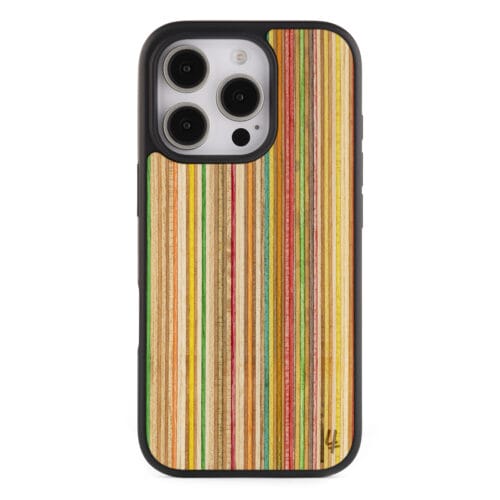
Savana Phone Case
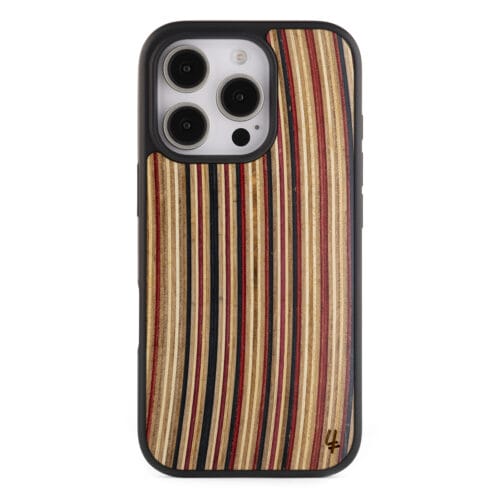
Curved Red Phone Case
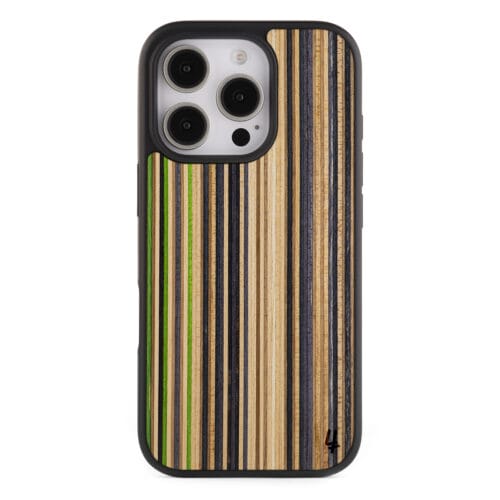
Fern Green Phone Case
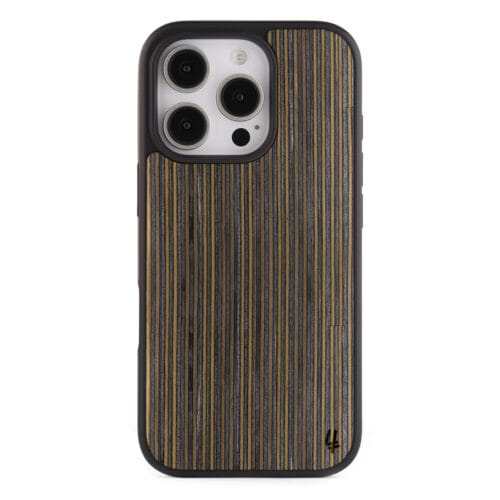
Gray Phone Case