Payment methods

Choosing eco-friendly gifts that are both thoughtful and budget-conscious is increasingly seen as a meaningful way to celebrate special moments while supporting sustainability. Within a €50 budget, there’s a wide array of options suited for various occasions, from birthdays to holidays or simply expressing appreciation. At skate4create.com, our focus lies in promoting sustainable living through innovative gift ideas, particularly those rooted in upcycled, natural, and ethically sourced materials. This initial segment explores what makes a gift sustainable, the importance of authenticity in eco-labeling, and why small, thoughtful choices can lead to a significant environmental impact.
Eco-friendly gifts are items produced with minimal environmental impact, emphasizing sustainability at every stage. They typically prioritize renewable or recycled materials, uphold ethical labor practices, and minimize packaging waste. Such gifts are not only beneficial for the planet but also foster a sense of social responsibility and awareness among recipients. For example, a handcrafted wooden jewelry box made from sustainably sourced timber or a reusable beeswax wrap set for kitchen use exemplifies both utility and environmental consciousness.
When selecting eco-friendly gifts, it’s crucial to consider their entire lifecycle, from raw material sourcing to end-of-life disposal. The benefits extend beyond individual choices: widespread adoption encourages industries to develop greener practices, creates demand for sustainable products, and reduces the overall ecological footprint of consumerism.

Given the proliferation of green marketing, distinguishing genuine eco-friendly products from superficial claims—often called ‘greenwashing’—is essential. Authentic sustainability is characterized by transparency and third-party certifications, such as FSC for forestry products, Fair-Trade for ethically sourced goods, or recycled content labels. These certifications assure buyers that the product adheres to recognized environmental and ethical standards.
Additionally, scrutinizing the product’s lifecycle—considering production, durability, and disposal—is vital. A truly sustainable gift should be designed for longevity, contain recyclable or biodegradable components, and be produced with limited energy consumption. For instance, a handmade skateboard helmet crafted from recycled plastics not only reduces waste but also embodies these principles.
In the context of skate and street culture, eco-conscious brands are increasingly offering accessories and apparel that meet these standards, making it easier for consumers to make responsible choices without sacrificing style or function.
Recognizing authentic eco-friendly gifts requires a discerning eye and an understanding of industry standards. The proliferation of green marketing tactics has given rise to various products falsely claiming sustainability—an issue known as greenwashing. To avoid being misled, consumers should prioritize transparency and look for reputable third-party certifications. For example, FSC (Forest Stewardship Council) certification indicates responsible forest management for wood-based items, while Fair-Trade labels verify ethical production practices for commodities like textiles or jewelry.
Beyond certifications, assessing the entire lifecycle of a product helps ensure its sustainability. This involves evaluating factors like resource extraction, manufacturing processes, durability, and end-of-life options. A genuinely eco-friendly product is designed for longevity, minimizing the need for frequent replacement. It also includes recyclable or biodegradable components and is produced with minimal energy consumption. For instance, a skateboard helmet constructed from recycled plastics combines safety with waste reduction, showcasing a commitment to sustainable design.
In the skateboard and streetwear sectors, brands increasingly incorporate sustainability into their lines, making it easier for consumers to make responsible choices without compromising style or function. Shopping consciously involves researching brands’ sustainability claims, reading product labels carefully, and favoring locally sourced or small-scale artisans who often prioritize ethical and environmentally friendly practices.
Upcycling transforms waste materials into new, often higher-value products, extending the lifecycle of raw resources and reducing landfill contributions. For enthusiasts in the skateboarding community, upcycled accessories—such as skateboard decks repurposed into furniture, jewelry, or decorative objects—demonstrate both creative ingenuity and sustainability. Recycled plastics, metals, and textiles are increasingly used in producing streetwear, accessories, and lifestyle products, reducing reliance on virgin resources.
Choosing products made from upcycled or recycled materials supports waste prevention and promotes a circular economy. These items often carry a unique aesthetic, reflecting individual craftsmanship and eco-conscious innovation. For example, a backpack made from recycled skateboard material offers durability, style, and environmental benefits, making it an ideal gift for eco-aware recipients.
Opting for locally sourced and handcrafted gifts not only minimizes carbon emissions associated with transportation but also supports local economies and craftsmanship. Small-scale artisans often prioritize sustainable practices, using traditional techniques that reduce environmental impacts. Moreover, buying locally fosters a closer connection between giver and recipient, emphasizing community support and personal touch.
For example, a handcrafted wooden jewelry piece made by a local artisan embodies sustainability through locally sourced materials and ethical labor. Supporting these small businesses encourages environmentally friendly practices and helps preserve craft traditions in your community.
Within a €50 budget, many sustainable gifts combine style, function, and eco-consciousness. A popular choice is a set of reusable silicone or beeswax wraps for food storage, reducing single-use plastic waste in kitchens. Wooden accessories like bracelets or keychains, crafted from sustainably managed forests, provide natural elegance without excess environmental impact. Eco-friendly kitchen bundles, which may include bamboo utensils, biodegradable scrubbers, and natural cleaning supplies, cater to practical sustainability.
Another thoughtful option includes plant propagation kits or small indoor gardens that promote green habits and add a refreshing touch to any space. These gifts not only support a more sustainable lifestyle but also deepen personal connections through shared experiences. Each option reflects a commitment to reducing environmental impact while offering stylish, functional, and meaningful choices.
Experiential gifts centered around sustainability often make lasting impressions. Certificates for tree planting initiatives or memberships to community gardens promote environmental engagement and give recipients an opportunity to contribute directly to ecological restoration. Plant propagation kits—featuring succulents, herbs, or native flowers—encourage sustainable habits and add greenery to living spaces.
Workshops on composting, natural cleaning, or eco-friendly crafting not only teach valuable skills but also foster community and shared environmental values. Digital subscriptions to eco-focused magazines or online courses further support sustainable education and lifestyle shifts.

The presentation of a gift can reinforce its eco-friendly ethos. Reusable cloth wraps, such as Furoshiki, offer an elegant alternative to traditional wrapping paper and can be reused repeatedly. Natural materials like burlap, jute, or kraft paper decorated with twine and dried flowers add a rustic, sustainable charm.
Recycling or repurposing existing packaging minimizes waste and adds a personal touch. For instance, wrapping a gift in a vintage scarf or a reused bakery box enhances the aesthetic appeal, emphasizes frugality, and reduces environmental impact. Thoughtful presentation not only elevates the gift experience but aligns with the principles of responsible consumption.
Incorporating upcycled and recycled materials into gifts stands at the forefront of sustainable innovation. Upcycling transforms waste products into higher-value, functional, or decorative items, thereby extending the lifecycle of materials and diverting waste from landfills. The creative reimagining of discarded goods not only reduces environmental impact but also adds a unique, artisan touch to gifts. A prime example for skateboard enthusiasts is using vintage skateboard decks to craft jewelry, wall art, or home décor—elements that carry a story and demonstrate environmental responsibility.
Recycled plastics, metals, and textiles have increasingly become staples in eco-conscious product lines. Items such as recycled plastic sunglasses, skateboard-themed accessories made from reprocessed metals, and apparel crafted from discarded fabrics exemplify this trend. Not only do these products embody eco-innovation, but they also appeal to consumers seeking authenticity and style rooted in sustainability. Recycled skateboard components, in particular, serve as excellent examples, converting what would otherwise be waste into durable, eye-catching accessories or functional household items.
Prioritizing locally sourced and handcrafted items significantly enhances a gift’s sustainability profile. This approach minimizes carbon emissions associated with long-distance transportation and supports local economies. Small-scale artisans often employ traditional techniques that are inherently environmentally friendly, using natural, locally available materials and sustainable practices. These artisans also tend to produce limited quantities, which encourages quality over quantity and reduces unnecessary waste.
Examples such as hand-carved wooden jewelry or ceramicware produced by local craftsmen highlight the personal nature and authenticity of locally sourced gifts. By supporting these small businesses, consumers promote environmentally friendly manufacturing processes, preserve cultural craftsmanship, and foster community resilience. Offering a hand-made item not only reduces environmental impact but also creates a meaningful connection between giver and recipient, emphasizing the importance of supporting sustainable practices within local networks.
Many sustainable gifts within this budget range are as practical as they are stylish. For instance, compostable or biodegradable planters allow recipients to cultivate herbs or succulents, contributing to greener lifestyles while remaining affordable. Recycled skateboard bracelets blend street-style aesthetics, appealing to skaters and streetwear enthusiasts alike. Wooden accessories, like seed-embedded bracelets or handcrafted keychains from sustainably managed forests, combine natural beauty and eco-awareness.
Eco-friendly kitchen bundles are increasingly popular, including items like bamboo utensils, biodegradable scrubbers, and natural cleaning products, all under €50. Adding a set of reusable produce bags or beeswax wraps can elevate everyday routines toward sustainability. These gifts are not only budget-friendly but also serve as ongoing reminders of environmentally conscious habits, making them ideal for a wide variety of occasions.
Experiential and do-it-yourself gifts centered on sustainability foster meaningful connections and promote eco-conscious habits. A gift certificate for a tree-planting activity, or membership in a community garden, encourages ecological engagement and stewardship. These experiences can produce lasting memories that transcend material possessions, emphasizing the values behind sustainable living.
DIY kits such as herb garden sets, seed propagation kits, or natural craft workshops empower recipients to embrace greener lifestyles. Not only are these gifts educational, but they also cultivate new skills and shared experiences, reinforcing a collective commitment to sustainability. Digital subscriptions to eco-focused magazines or online courses on sustainable practices serve as ongoing sources of inspiration and knowledge, further embedding environmental values in everyday life.
The way a gift is presented can significantly reinforce its sustainable ethos. Reusable cloth wraps, such as those used in the traditional Japanese Furoshiki technique, can be elegantly folded around a gift and reused multiple times, reducing waste. Natural wrapping materials like burlap, jute, or kraft paper decorated with dried flowers, twine, or pressed leaves create a rustic, eco-chic presentation.
Utilizing recycled or upcycled packaging, such as vintage fabric scraps or a repurposed bakery box, further minimizes environmental impact and adds a personal, nostalgic touch. These thoughtful presentation strategies align with the principles of responsible consumption, elevating the overall gifting experience while demonstrating respect for the environment.
Harnessing upcycled and recycled materials for gifts not only contributes to waste reduction but also fosters creativity and unique design. When a skateboard deck is repurposed into a wall clock or jewelry, it embodies a narrative of transformation—turning what was once discarded into a desirable, functional object. Such items resonate with recipients because of their distinctive character and the story they tell about sustainability. The emphasis on upcycling demonstrates a commitment to resourcefulness, emphasizing that even waste can be a source of genuine beauty and value.
Recycled components, like plastic granules molded into accessories or metals reprocessed into jewelry, further exemplify eco-friendly craftsmanship. These items often carry a visual appeal that combines rustic authenticity with contemporary style, appealing particularly to youthful, style-conscious consumers who value environmental responsibility. The sustainable aspect is reinforced by transparency about the materials used, which must be clearly indicated in product descriptions and branding to avoid greenwashing claims.
In the skate and streetwear scene, upcycled and recycled materials are increasingly integrated into product lines. For instance, a line of backpacks made entirely from recycled skateboard materials not only looks striking but also introduces a statement piece that exemplifies resourcefulness. This trend underscores a shift toward circular fashion, where waste is reimagined as a valuable resource, reducing the demand for virgin raw materials and lowering the carbon footprint associated with production.
Choosing to buy locally sourced and handcrafted gifts offers multiple environmental and socio-economic benefits. Transport emissions are significantly reduced when products are made nearby, directly lowering the overall carbon footprint of the gift. Supporting small-scale artisans tends to favor environmentally friendly practices—using natural dyes, handcrafted techniques, and sustainable raw materials—since these creators often prioritize quality and ecological mindfulness over mass production.
When selecting gifts such as hand-carved wooden jewelry, ceramic goods, or eco-friendly textiles, you are promoting practices that preserve traditional craftsmanship and local economies. These small-scale productions tend to generate less waste and consume fewer resources compared to large-scale manufacturing. Additionally, personalized, handcrafted items often carry deeper emotional value, strengthening the giver-recipient bond and emphasizing a thoughtful approach to sustainably conscious gifting.
Supporting local artisans also fosters community resilience, as it encourages sustainable economic development within tight-knit circles. This approach aligns perfectly with eco-friendly philosophies by emphasizing transparency, accountability, and the use of environmentally benign processes. It ensures that the gift is not only meaningful but also responsible, with a minimal ecological footprint.
Budget-friendly, sustainable gifts can be both practical and stylish. A set of bamboo utensils combined with a reusable shopping bag made from organic cotton offers a complete, eco-conscious shift in daily routines. Recycled skateboard-themed accessories, such as bracelets or keychains provide street-style appeal without exceeding budget constraints. Wooden plant markers or seed collection kits enable recipients to grow their own herbs or flowers, supporting greener habits while being inexpensive.
Another ingenious idea involves zero-waste starter kits, including reusable beeswax wraps, stainless steel straws, and compostable cleaning cloths. These practical items not only promote eco-friendly practices but also serve as constant reminders of sustainable living principles, all while fitting comfortably into a €50 budget. Never underestimate the power of personalized, simple gestures—such as a handmade bookmark made from recycled paper—adding sentimental value to environmentally conscious gifts.

Experiential and DIY gifts centered on sustainability forge deep, memorable connections while reinforcing eco-conscious values. A shared activity such as planting a tree or participating in a community cleanup project creates a meaningful bond and tangible environmental benefits. These experiential presents underscore the principle that giving moments and skills can be more impactful than material possessions.
DIY kits—such as herbal tea garden sets, natural candle-making bundles, or biodegradable planters—invite recipients to embrace sustainable practices actively. Workshops on natural dyeing or composting deepen this engagement, offering practical skills that support ongoing eco-conscious choices. Digital subscriptions to eco-focused magazines or access to online courses on sustainable living further inspire ongoing learning, encouragement that sustainable habits are continuous efforts.
These gifts often have a dual purpose: they not only enrich the recipient’s lifestyle but also foster a sense of community around shared values. The act of participating in an eco-friendly experience can be more enduring and impactful than a physical object, making these options ideal for anytime thoughtful giving.
The presentation of a gift imbues it with even more meaning and sustainability. Reusable wrapping techniques like Furoshiki—using vibrant, durable cloth—can serve as both wrapping and a gift itself. This style minimizes waste and invites the recipient to reuse the cloth in daily life, reinforcing sustainable habits.
Natural wrapping materials, such as kraft paper or burlap, decorated with dried flowers, pressed leaves, or twine, add a rustic aesthetic that complements eco-friendly values. Vintage fabrics or textiles repurposed from old clothing or unused linens further reduce waste and add a personal touch. Pairing the wrapping with a note written on recycled paper or plantable seed paper enhances the overall eco-message and thoughtful nature of the gift.
Careful consideration in presentation demonstrates respect for the environment and elevates the entire giving experience. It shows that sustainability principles extend beyond the product to encompass every aspect of gifting, creating a holistic impression of responsibility and style.
Personalizing eco-friendly gifts elevates the significance of your thoughtful gesture while reinforcing the recipient’s values. Small details, such as adding a handwritten note made from recycled paper or engraving a meaningful message onto wooden accessories, deepen the emotional connection. Personalized packaging—like tags made from seed paper or reusable cloth wraps decorated with natural dyes—can also enhance the presentation while maintaining sustainability principles.
Choosing customized items, such as engraved bamboo jewelry or handcrafted pottery with initials, ensures that the gift feels unique and tailored. This approach underscores your awareness of both sustainability and the recipient’s individual taste, making the gift more memorable and impactful. Personal touches reflect the effort invested, aligning your intent with eco-conscious practices and encouraging recipients to appreciate the underlying message of sustainability.
When gifting within a budget of €50, creative customization doesn’t have to be costly. Simple actions like adding a small, sustainable charm to a gift or wrapping it in an upcycled fabric with a personal design can make a profound difference. Such details highlight your commitment to responsible consumption and can inspire recipients to adopt similar practices, fostering a ripple effect of environmentally aware choices.
For recipients with specific lifestyle preferences, such as veganism or ethical consumption, selecting suitable eco-friendly gifts ensures alignment with their values. Vegan eco gifts avoid animal-derived materials like leather, wool, or silk, favoring alternatives such as plant-based leather, bamboo, or recycled synthetics. For example, a vegan-friendly wallet made from recycled cork or a set of cruelty-free skincare products exemplify this commitment.
Ethical sourcing is equally important; products should be made without exploiting labor or harming ecosystems. Brands that promote transparency about their supply chain and use cruelty-free, vegan, or fair-trade materials are ideal sources for thoughtful, responsibly produced gifts within budget. Choosing such items not only respects individual values but also champions broader social and environmental justice principles.
In the skate and streetwear scene, numerous brands now emphasize vegan materials and ethical manufacturing. Both casual accessories and apparel made with recycled or plant-based fabrics can be stylish, affordable, and sustainable, making them perfect gifts for environmentally conscious recipients.
Beyond the tangible aspect, choosing eco-friendly gifts provides an opportunity to educate and inspire. Including informational tags explaining the story behind the product, its materials, and its ecological benefits can spark conversations about sustainability. For instance, a reusable bamboo utensil set might be accompanied by a small card detailing the environmental impact of single-use plastics and how your gift helps reduce plastic waste.
Incorporating educational elements encourages recipients to appreciate the broader context of sustainable living, fostering awareness and positive behavioral change. It transforms the act of giving from a simple transaction into a meaningful exchange that emphasizes environmental responsibility. When selecting gifts, consider how the story and message can be amplified through thoughtful presentation and accompanying materials.
Choosing eco-friendly gifts under €50 for any occasion involves balancing practicality, style, and principles. It requires a mindful approach that values sustainability, ethical sourcing, and personal touch. With the wide variety of options—from upcycled accessories to experiential gifts—every shopper can find meaningful, environmentally responsible presents that resonate with recipients.
Remember, the impact of a gift is amplified when the giver’s intention is genuine and aligns with broader values of respect for the planet. Thoughtfulness in selection and presentation can inspire others to follow suit, creating a collective movement toward more sustainable consumption. By making conscious choices, you not only celebrate special moments but also contribute to the preservation and betterment of our environment, reinforcing that even small gestures can have lasting significance.
The way a gift is presented can significantly enhance its eco-conscious message while elevating the overall gifting experience. Furoshiki, the traditional Japanese wrapping cloth, serves as a versatile and reusable wrapping option that embodies sustainability. Its vibrant textiles can be elegantly folded around a gift, allowing the recipient to reuse the cloth for carrying or wrapping in subsequent occasions. This practice not only reduces waste but also introduces an element of cultural appreciation and aesthetic appeal.
Natural materials such as kraft paper, burlap, jute, or recycled craft paper offer rustic charm and can be decorated with dried flowers, pressed leaves, or twine made from biodegradable fibers. These embellishments add a personal and earthy touch, emphasizing the sustainable ethos of the gift. Furthermore, wrapping gifts in vintage fabrics or upcycled textiles—perhaps remnants from old clothing or unused linens—transforms waste into charming, one-of-a-kind presentation layers.
For an extra layer of eco-friendliness, consider including seed paper tags or cards. When planted, these biodegradable tags can sprout into flowers, herbs, or native plants, creating a lasting green memory connected to the gift. The overall presentation underscores the importance of thoughtful consumption and reinforces that sustainability extends beyond the product to how it is conveyed.
Selecting gifts that genuinely reflect environmental values fosters deeper connections between the giver and recipient. Such choices demonstrate care not only for the person but also for the planet. For example, gifting a handcrafted wooden keychain from sustainably managed forests or a set of biodegradable cleaning products signifies a shared commitment to responsible living. These items serve as tangible reminders of eco-conscious principles and can inspire others to adopt similar habits.
Personalization amplifies this impact. Custom engraving on wooden accessories, handwritten notes on recycled paper, or wrapping in upcycled fabrics can lend a unique, heartfelt touch. When recipients see the effort invested in choosing an eco-friendly gift, it enhances their appreciation and recognition of environmental responsibility. These thoughtful gestures can catalyze ongoing sustainable behaviors, turning small acts into a collective movement toward greener living.
Furthermore, choosing gifts aligned with the recipient’s passions—such as vegan products for ethically conscious individuals or locally crafted items from artisans—enriches the emotional value and underscores respect for their lifestyle choices. The goal of eco-gifting should always be to foster awareness, appreciation, and shared purpose, making each occasion a chance to celebrate sustainability.
Beyond the act of giving, providing tools and ideas that enable recipients to incorporate sustainability into their daily routines can create lasting change. Practical gifts such as reusable straws, beeswax wraps, or biodegradable utensils serve as constant reminders to reduce single-use plastics. Incorporating educational elements—like informational tags explaining how the product helps cut plastic waste or conserve resources—can inspire ongoing eco-conscious habits.
Sharing experience-based gifts, such as memberships to community gardens, eco-workshops, or tree-planting programs, intertwines personal connection with environmental action. These opportunities encourage recipients to actively participate in sustainability initiatives, deepening their understanding and commitment. When combined with beautiful presentation and meaningful content, such gifts transcend material value and foster a shared journey toward positive environmental impact.
One of the most compelling aspects of eco-friendly gifting within a modest budget of €50 is the opportunity to combine practicality with personal expression. Thoughtful personalization, such as customizing a reusable water bottle with engraved initials or adding a handmade charm made from recycled materials, turns an everyday item into a meaningful keepsake. Such gestures amplify the recipient’s connection to the gift, fostering ongoing sustainable habits while also showcasing the giver’s mindfulness.
Additionally, choosing items that can be integrated into daily routines ensures continual environmental benefits. For example, a set of biodegradable toothbrushes, natural skincare products, or a stainless steel coffee cup not only align with eco principles but are also practical for everyday use. These everyday essentials serve as constant reminders of responsible consumption, subtly encouraging eco-conscious decision-making over time.
In terms of presentation, consider eco-friendly packaging methods that reinforce sustainability. Reusing fabric bags, wrapping gifts in recycled Kraft paper decorated with natural motifs, or employing upcycled materials for packaging all promote a circular approach. Incorporating accessories like twine made from natural fibers or pressed flowers can further elevate the presentation while maintaining eco-credibility.
In today’s eco-initiative landscape, many recipients prioritize vegan and ethically produced products. Within the €50 range, there is a wide variety of options that adhere to these values without compromising style or quality. Vegan skincare sets, made with natural plant-based ingredients and free from animal testing, exemplify responsible choices that align with ethical standards.
Similarly, fashion accessories such as vegan wallets, bags, or sneakers crafted from recycled, cruelty-free materials not only meet sustainability criteria but also cater to fashion-forward consumers. Ethical certifications or transparent supply chains should always be verified to ensure these products are genuinely cruelty-free and environmentally friendly.
The importance of these choices extends beyond individual preferences, demonstrating a broader commitment to animal rights and environmental stewardship. When sharing these gifts, include a note explaining the ethical significance of the materials and production processes to further educate and inspire responsible consumption.
The concept of a circular economy underpins sustainable gifts by emphasizing reuse, recycling, and upcycling. Choosing gifts that embody these principles can have a profound environmental impact. For example, selecting a handcrafted journal made from recycled paper or a decorative piece created from upcycled textile scraps demonstrates creative reuse.
Encouraging recipients to continue this cycle by repurposing or upcycling the gift itself adds further sustainability. Digital sharing of instructions for upcycling or providing access to online tutorials on sustainable DIY projects can inspire ongoing eco-conscious creativity. This approach not only reduces waste but also fosters an innovative mindset centered around conservation.
Buying from local artisans or small-scale producers remains one of the most impactful ways to ensure the sustainability of your gifts. These creators typically employ more environmentally friendly practices, utilize natural materials, and produce in limited quantities, reducing excess waste and supporting local economies.
For example, handcrafted candles made from sustainably sourced beeswax or soy, which avoid synthetic fragrances and additives, offer a natural ambiance that aligns with eco-values. Similarly, locally made ceramics or textiles often involve less energy-intensive processes. Supporting these small businesses embeds a personal story into every gift, cultivating a sense of community and shared responsibility.
When choosing sustainable gifts under €50, always verify the authenticity of eco-claims through transparent labeling and reputable certifications. Avoid products with vague labels or exaggerated claims that may amount to greenwashing. Conduct quick research on brands and their manufacturing practices to ensure adherence to environmental and ethical standards.
Personalization and storytelling can elevate even simple gifts, rendering them memorable and impactful. Crafting a small card with a message explaining the environmental benefits of the gift, or attaching a tag made from seed paper, can spark awareness and appreciation. Ultimately, the goal is to encourage a shift toward responsible consumption that benefits the planet while also celebrating community and individual values.
Through deliberate selection, mindful presentation, and genuine intention, every eco-friendly gift under €50 can inspire recipients to embrace greener habits. Small, thoughtful gestures foster a ripple effect that contributes to broader environmental change, proving that sustainable gifting is both impactful and accessible for all occasions.
Enhancing the sustainability of your gift extends beyond the item itself to its presentation. Opting for reusable and eco-conscious wrapping options not only minimizes waste but also adds a personal, creative touch to your gift-giving. Cloth wraps, such as Furoshiki, a traditional Japanese technique, are an elegant and versatile solution; these vibrant, sturdy fabrics can be wrapped around a gift and transitioned into a reusable accessory for the recipient. They endure numerous uses, embodying the ethos of reducing single-use packaging and emphasizing style paired with sustainability.
Natural materials like kraft paper, burlap, or jute sacks embellishing the gift with dried flowers, pressed leaves, or twine made from biodegradable fibers achieve a rustic, earthy aesthetic. These materials are biodegradable and can be repurposed, aligning seamlessly with eco-friendly principles. Incorporating upcycled elements—perhaps wrapping your gift with an old scarf, vintage fabric, or scraps from unused textiles—adds both flair and responsibility, transforming waste into a charming, one-of-a-kind presentation.
Adding seed paper tags or greeting cards that can be planted later creates an ongoing green connection. These biodegradable tags, sprouting into herbs or flowers, serve as a memorable, nature-focused detail that underscores the gift’s sustainability message. Thoughtful packaging choices reflect your commitment to environmental consciousness, and the recipient benefits from a beautiful and meaningful presentation that exemplifies responsible consumption.
Personalized touches enhance the significance of eco gifts, making them more memorable while reinforcing environmental values. Handwritten notes on recycled paper or tags explaining the story behind the materials or production methods can foster awareness. For example, a wooden accessory engraved with a meaningful message, or a recycled fabric bag with a custom print, not only reflect the recipient’s style but also demonstrate your mindful intention.
Adding a small element that aligns with the recipient’s lifestyle—like a miniature plant with a note about reducing plastic waste—connects sustainability to their daily routines. Such personalized details show that your gift is thoughtfully chosen to inspire ongoing eco-conscious habits. When within a budget, simple, heartfelt presentations—like handcrafted tags or upcycled wrappings—go a long way in creating a genuine, impactful gift experience that emphasizes your shared commitment to environmental responsibility.
Educational components accompanying your gift can spark interest and promote mindful habits. Including a small card or tag with information about the benefits of reusable products or the environmental impact of plastic waste can turn a simple gift into an educational tool. This approach encourages recipients to reflect on their consumption choices and consider adopting similar sustainable practices themselves.
For instance, pairing a reusable coffee cup with a brief note on how single-use cups contribute to landfill waste can prompt ongoing behavioral change. Embedding sustainability stories into gift presentation not only enriches the meaning but also perpetuates awareness, nudging others towards a greener lifestyle. This thoughtful strategy makes your act of giving a catalyst for broader environmental engagement, aligning with everyday values and long-term change.
Eco-friendly and reusable packaging elevates your sustainable gifting efforts by embedding environmental responsibility into every detail. From Furoshiki wraps to vintage fabrics, each choice communicates care for the planet while also expressing personal style. Personalization, storytelling, and educational touches amplify the impact, transforming a simple gift into a meaningful gesture that inspires a greener tomorrow. Thoughtfulness in presentation not only enhances the recipient’s experience but also celebrates shared values of sustainability and responsible living, making every occasion an opportunity to make a positive environmental difference.
Continuing along the path of mindful gifting, prioritizing eco-friendly presents requires attention to the longevity, versatility, and story behind each item. When contemplating gifts within a €50 budget, it’s essential to select pieces that not only align with sustainability principles but also resonate on a personal level with recipients. This involves understanding the importance of ethical sourcing, upcycled and recycled materials, and supporting local artisans, all of which have a tangible impact on reducing environmental footprints. By integrating these aspects into your gift choices, you foster a sense of connection rooted in shared values and responsibility.
Practicality coupled with sustainability defines many of the most valued gifts within this budget. Items such as solar-powered gadgets or energy-efficient LED lanterns demonstrate innovation while promoting greener energy use. For individuals who prioritize health and wellness, natural skincare sets, handmade from organic ingredients, offer a luxurious yet environmentally responsible choice. For those passionate about food or cooking, a sustainably sourced bamboo utensil set or a ceramic-making kit emphasizes enduring utility paired with eco-awareness.
Additionally, including small, eco-conscious lifestyle accessories—like reusable water bottles made from stainless steel or glass, biodegradable bracelets, or zero-waste starter kits—encourages greener habits. When thoughtfully selected, these gifts subtly reinforce daily sustainable practices, making them perfect for birthdays, holidays, or as everyday gestures that inspire ongoing eco-friendliness.
Experience-oriented gifts are especially meaningful because they create lasting memories and embed values of sustainability through active participation. Budget-friendly options include enrollment in local eco-workshops, such as natural dyeing, urban gardening, or composting courses. Memberships to community-supported agriculture funds or wildlife conservation programs also foster direct ecological engagement.
DIY kits continue to be popular, offering opportunities for recipients to craft their own sustainable products. For example, terrarium-building kits or homemade soap sets encourage hands-on experiences that result in functional, environmentally friendly items. These experiences not only promote lifelong skills but also serve as conversation starters about environmental stewardship, broadening the impact of your thoughtful gift.
Integral to every thoughtful gift is its presentation, which can reinforce its sustainable ethos. Reusable cloth wraps, such as those in the Furoshiki tradition, can elegantly encase gifts while providing the recipient with a stylish, multifunctional accessory. Natural twine, dried flowers, and plant-based dyes can embellish packaging, adding a rustic charm that aligns with eco principles.
Another approach involves upcycling existing packaging—such as repurposed newspaper, vintage fabrics, or recycled kraft paper—these options extend the life cycle of materials and reduce waste. Corporate or personal notes crafted on seed paper, which can later be planted, add an educational and lasting touch. Every detail in wrapping emphasizes sustainability, transforming packaging from mere concealment into an extension of the gift’s story and values.
Small-scale artisans often employ sustainable practices and localized sourcing, making their handcrafted offerings ideal for eco-conscious gift-giving. These products typically involve natural dyes, biodegradable materials, and traditional crafts that minimize environmental impact. By choosing locally made jewelry, ceramics, or textiles, you contribute to community resilience, reduce transportation emissions, and promote cultural preservation.
Furthermore, upcycled or recycled artisan products embody the principles of a circular economy, turning waste into valuable resources. For example, small accessories crafted from scrap textiles or reprocessed metals not only demonstrate ingenuity but also tell a story of environmental responsibility. Supporting such craftsmanship enhances the authenticity of your gift, deepens personal connections, and encourages sustainable local enterprise.
Within the €50 limit, there are numerous innovative, eco-friendly gifts that balance affordability with impact. For instance, a set of biodegradable planting pots coupled with organic seed packets can inspire a recipient to grow their own herbs or flowers, fostering a greener lifestyle. Recycled skateboards transformed into wall art or desk organizers reflect a creative reuse that appeals to skate culture while championing sustainability.
Kitchen bundles comprising bamboo utensils, beeswax wraps, and compostable cleaning cloths offer practical solutions to reduce single-use plastics. Adding a zero-waste starter kit—featuring reusable straws, silicone lids, and refillable containers—not only fits the budget but also encourages ongoing eco-practices. Thoughtful, simple items like herbal tea blends or handcrafted candles made from natural waxes further enrich your gift options without exceeding your financial limits.
The art of giving sustainable gifts under €50 hinges on intentional choices that reflect environmental respect, ethical sourcing, and personal meaning. By emphasizing the story behind each item—be it upcycled skateboard jewelry, locally crafted accessories, or eco-lifestyle tools—you activate a deeper connection and inspire a more conscious approach to consumption. Thoughtfulness in selection and presentation amplifies the message of respect for our planet, encouraging others to embrace responsible habits.
Every purchase made with awareness contributes to a shift towards a circular, regenerative economy—showing that even modest gestures hold the power to promote environmental stewardship, community support, and a shared future rooted in sustainability.
Continuing the journey of responsible gifting, it’s essential to recognize that the impact of eco-friendly presents extends beyond their immediate utility. Every thoughtful selection—whether an upcycled skateboard accessory or a locally crafted item—serves as a catalyst for wider environmental awareness. Embedding sustainability into gift-giving culture begins with conscious choices rooted in transparency, ethics, and a genuine desire to contribute positively to the planet. When these gifts are carefully presented, with an emphasis on meaningful storytelling and minimal impact packaging, they amplify their message and reinforce shared values of environmental stewardship.
Even under a €50 budget, there is considerable room for creativity and impact. Items such as plant propagation kits, sustainable skincare, or zero-waste starter sets are not only budget-conscious but also empower recipients to adopt greener lifestyles. When selecting these gifts, consider their longevity and potential to inspire ongoing habits. For example, a compost bin or a set of reusable produce bags serve as constant reminders of responsible consumption, fostering behaviors that extend well beyond the initial gesture.
Personalization adds a layer of sincerity. Custom engraved wooden accessories or handwritten notes on seed paper can transform an ordinary gift into a cherished keepsake. The aim is to demonstrate that sustainable choices are accessible, meaningful, and capable of creating lasting impressions regardless of budget constraints.
The presentation of an eco-friendly gift amplifies its message. Reusable wraps like Furoshiki cloths, dyed with natural pigments, double as beautiful packaging and functional accessories for the recipient. Similarly, wrapping items in recycled kraft paper, decorated with pressed flowers or twine from biodegradable fibers, emphasizes the gift’s sustainability focus.
Another impactful approach includes upcycling existing packaging—using vintage fabrics, newspaper, or cardboard—that can be reused or repurposed by the recipient, creating a continuous cycle of sustainability. Including plantable seed tags or biodegradable cards that sprout into flowers or herbs further elevates the green message. Small details, from eco-friendly wrapping to thoughtful notes, turn simple presents into stories of mindful living and conscientious giving.
The act of gift giving becomes even more impactful when it catalyzes ongoing eco-conscious actions. For instance, including educational inserts that explain how the gift reduces environmental impact or suggesting ways to incorporate sustainability into daily routines fosters awareness. This might involve tips on reducing plastic waste, conserving energy, or supporting local eco artisans.
Experience and DIY gifts carry significant potential for resonating deeper connections. A workshop on making natural cleaning products or a membership to a community eco-project engages recipients in active participation. Such gifts not only promote learning but also reinforce the concept that sustainability is a shared journey—one that is both personal and collective.
The conscious choice of eco-oriented gifts fosters a culture where sustainability and thoughtful living are at the forefront of everyday interactions. By making deliberate, value-driven decisions in gift selection, we challenge the norms of consumerism that often prioritize excess and disposability. Each eco-friendly gift, carefully chosen and meaningfully presented, sets a precedent that responsible, ethical, and sustainable choices can be accessible, stylish, and impactful.
Encouraging recipients to carry forward the message—whether through using reusable products, supporting local artisans, or upcycling their gifts—creates a ripple effect of consciousness that extends beyond individual occasions. Small gestures, amplified by genuine intent, contribute to a collective push for a healthier environment, fostering resilience, community, and positive change.
Every gift, no matter how modest, holds the potential to inspire and create ripples of positive impact. By prioritizing eco-friendly choices under €50, you demonstrate that sustainability doesn’t require excess, but rather mindful attention to the story, origin, and future of each item. Thoughtfulness, aligned with responsible sourcing and presentation, transforms simple exchanges into meaningful acts of environmental care and social responsibility.
As you continue to explore sustainable gifting options, remember that your decisions can influence broader behaviors and encourage others to embrace greener habits. The path to a more sustainable lifestyle is paved with small, intentional steps—each gift, each act of presentation, reinforcing that responsible living begins with conscious choices rooted in empathy, respect, and love for our planet.
A genuinely eco-friendly gift is made from sustainable materials, produced ethically, and designed for durability or reusability, with minimal packaging and supply chain transparency.
Yes—many sustainable gifts, from upcycled accessories to reusable products, offer personalization options like engraving or custom colors.
Absolutely! Many ethical brands offer vegan skincare, food wraps, or accessories made from plant-based or upcycled materials within this price range.
Look for certifications (Fairtrade, FSC, OEKO-Tex), check their supply chain transparency, and verify if they share details about materials and production practices—plus, do quick online research for third-party reviews.
Zero waste gifts are designed to avoid landfill—made from compostable, recyclable, or permanently reusable materials, with little or no packaging waste.
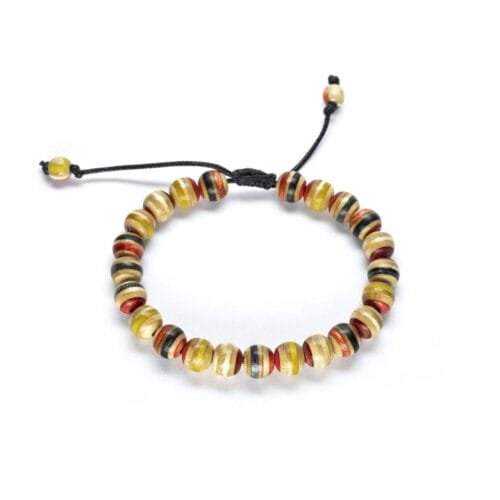
Small Red Bracelet
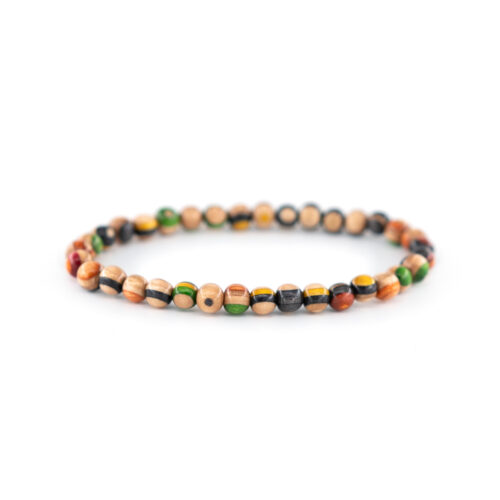
Stretchable Minimal Bracelet
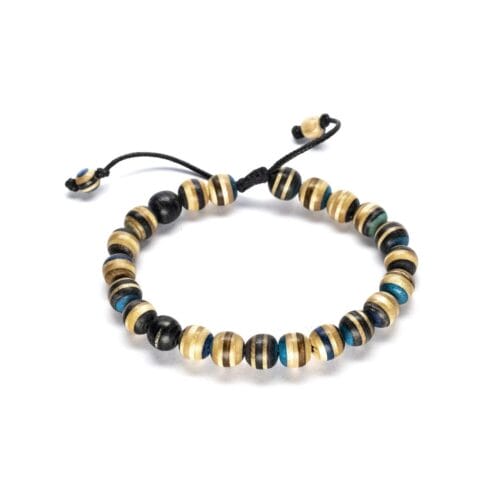
Small Blue Bracelet
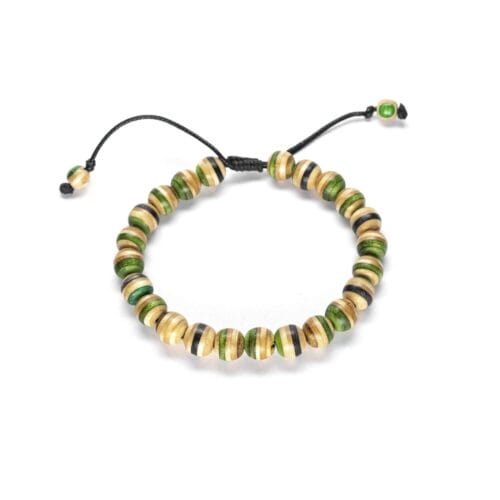
Small Green Bracelet