Payment methods

Sustainable fashion is important because the way most clothes and accessories are made today uses far more resources than the time we actually wear them justifies. According to the Ellen MacArthur Foundation (A New Textiles Economy, 2017), the equivalent of one garbage truck of textiles is landfilled or burned every second, and less than 1% of the material used for clothing is recycled into new clothing. The UN Environment Programme puts the fashion industry’s share of global greenhouse gas emissions at somewhere between 2% and 8%. Buying less, choosing things that last and keeping them in use longer is the most direct way an ordinary shopper can shrink those numbers.

We are a small workshop in Vilnius, Lithuania, that has been making jewelry and accessories out of broken skateboards since 2014. We are not a clothing brand, but everything we make starts from a waste material, so the questions in this article are ones we deal with every day. Below is what sustainable fashion means in practice, why it matters, what is changing in 2026, and how to make choices that hold up.
Sustainable fashion is clothing, shoes and accessories made and used in a way that does less harm to the environment and to the people who make them, across the whole life of the product. That covers four stages.
What the item is made of and where it came from. Recycled, reclaimed or responsibly grown materials use fewer new resources than virgin ones.
How it is produced: energy, water and chemicals used, and whether workers are paid fairly and work in safe buildings.

How long it lasts and how many times it is actually worn. A well-made item worn for years has a far smaller footprint per wear than a cheap one worn three times.
What happens when the owner is done with it: resale, repair, recycling or landfill.
A product does not need to be perfect at every stage to count. What matters is that each stage is thought about and that the brand can tell you honestly what it does.
There are three main reasons, and each one is backed by data you can check.
The Ellen MacArthur Foundation found that global clothing production roughly doubled between 2000 and 2014, while the average number of times a garment is worn before it is thrown away fell by about 36% over fifteen years. More is being made, and each piece is used less. That gap is where most of the waste comes from.
Growing fibres, dyeing fabric and shipping finished goods all use energy and water. UNEP’s estimate of 2% to 8% of global emissions is wide because supply chains are hard to measure, but even the low end is bigger than many entire countries. Dyeing and finishing also release chemicals into rivers near production sites.
In April 2013 the Rana Plaza building in Bangladesh, which housed several garment factories, collapsed and killed 1,134 people. It became the moment many shoppers first asked who made their clothes. Fair pay and safe workplaces belong in any honest definition of sustainability.
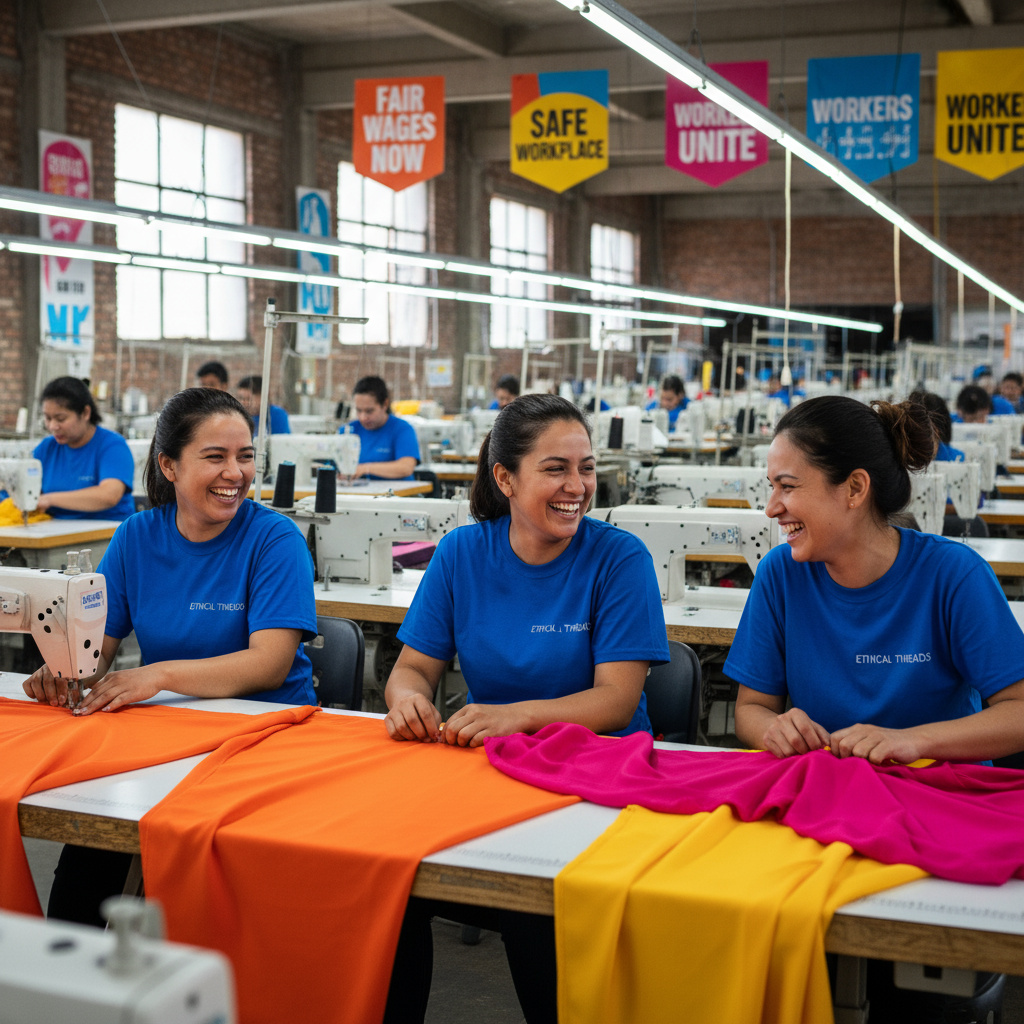
The upside is personal too. Better-made clothes and accessories keep their shape and colour longer, so you replace them less often. A smaller wardrobe of things you like is easier to put together in the morning. And many people simply enjoy knowing where their things came from and who made them.
Fast fashion is built on speed and low prices: new collections every few weeks, cheap materials, and an expectation that items will be replaced quickly. Sustainable fashion works the other way round.
Constant new drops, trend-driven design, synthetic fabrics that shed microplastics, low durability and little information about the factories involved.
Fewer, better-made pieces, materials chosen for long life or low impact, repair and resale encouraged, and open information about where and how things are made.
Price is the obvious difference. A sustainable item usually costs more at the till. Over its life, though, it often costs less per wear, because it lasts. The research charity WRAP found that keeping clothes in active use for just nine months longer reduces their carbon, water and waste footprints by around 20% to 30% each (Valuing Our Clothes, 2012). Wearing what you have is the cheapest sustainable choice there is.
Two terms come up again and again.
Slow fashion is a way of shopping and dressing. It means buying less, choosing quality over quantity, and building a wardrobe you actually wear. It is personal and starts with habits.
Circular fashion is a way of designing and making things. The goal is that materials stay in use for as long as possible: products are designed to be repaired, resold, taken apart and recycled, and new products are made from old ones. Turning waste into raw material is the core idea.
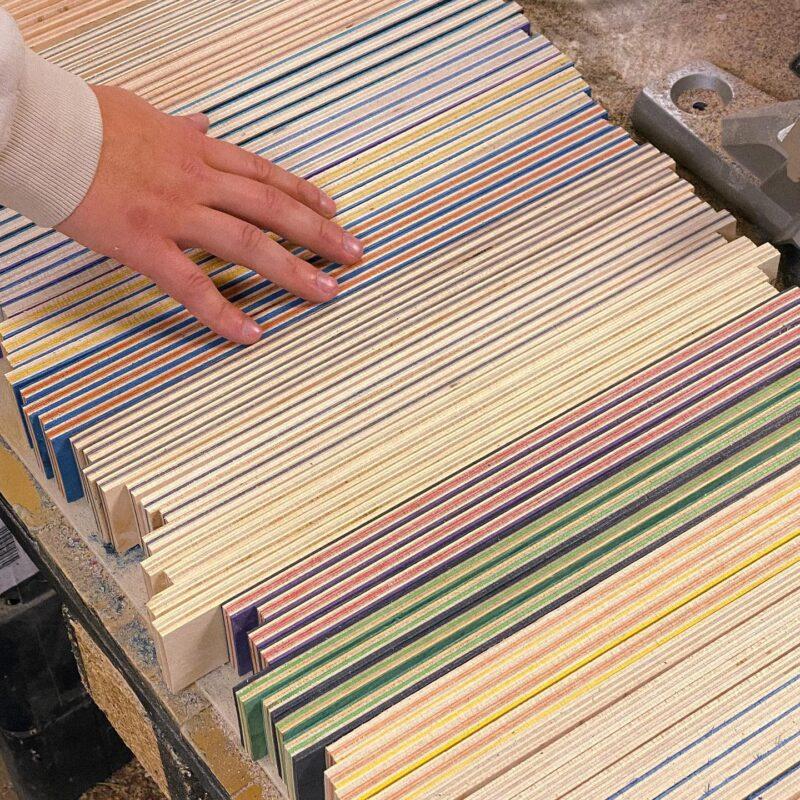
What we do in our workshop is a small, real example of circular design. Skateboard decks are made from seven layers of Canadian hard rock maple glued under pressure. When a deck snaps, it is usually thrown away, and around 2 million decks end up in landfill every year. We collect broken boards from skate shops, parks and skaters, press them into new blocks and turn them into jewelry. So far that has kept more than 10,000 boards out of the bin. You can follow the process in how recycled skateboards get a second life.
Some of the biggest changes this year come from law rather than from marketing, especially in Europe.
Since 1 January 2025, every EU country has had to collect used textiles separately from other household waste. In 2025 the EU also agreed rules that will make clothing brands pay for collecting and sorting used textiles, which gives them a reason to design for reuse.
Under the EU Ecodesign for Sustainable Products Regulation, large companies are banned from destroying unsold clothing and footwear from 19 July 2026. Overstock now has to be resold, donated or recycled.
From 27 September 2026, EU consumer law bans generic environmental claims such as “eco-friendly” or “green” when the seller cannot prove them. Shoppers should start to see fewer vague labels and more specific ones.
Second-hand platforms, brand repair services and clothing rental are now normal parts of the market. Many brands have their own take-back or repair programmes.
The same EU regulation is preparing digital product passports for textiles, which will give buyers information about materials and repair through a scan of a code on the label. Textiles are among the first product groups in line.
Laws push brands, but the future of sustainable fashion still depends on what people buy and how long they keep it. These habits make the biggest difference and cost the least:
Look after it, wash it less often and at lower temperatures, and repair it when it tears. Airing clothes between wears, washing full loads and skipping the tumble dryer all extend the life of fabric. A basic sewing kit and a few minutes on a loose button or a small hole keep a favourite piece in rotation for years. If you can’t fix it yourself, many towns now have tailors, cobblers and repair cafés that do it for little money, and some clothing brands offer repairs on their own products.

Before buying, ask yourself if you will wear it thirty times. If the answer is no, skip it.
Clothes and accessories already in circulation have the smallest footprint of all.
What is it made of? Where? Can it be repaired? A good brand will answer in plain language.
Jewelry, bags and belts can be worn for decades. They are a good place to start spending on quality.
If you want to put these ideas into practice with friends and family, our eco-friendly gift ideas list is a good starting point.
Greenwashing means making a product sound more sustainable than it is. It is common, and the new EU rules exist because of it. A few warning signs are easy to check before you buy.
“Conscious”, “eco” or “green” on a label means little on its own. Look for specifics: what share of the material is recycled, which factory made it, which certificate applies.
A brand that releases thousands of new styles a year and labels a handful of them “sustainable” has not changed its business model.
Labels such as GOTS for organic textiles, Fair Wear for working conditions or B Corp for the whole company are checked by independent bodies. You can search for the brand on the certifier’s own website.
A small maker should be able to tell you where the material comes from and who made the product. If nobody can answer, treat the claim with care.
Jewelry rarely comes up in conversations about sustainable fashion, but it should. Mining metals and gemstones has a heavy environmental footprint, and cheap fashion jewelry made of plated alloys tarnishes quickly and gets thrown away. Sustainable jewelry is made from recycled or reclaimed materials, built to last, and comes from makers who are open about the process.
When you shop for recycled jewelry, a few questions help separate real products from marketing:
“Recycled” should mean a named waste source. Ours is broken skateboard decks, collected from skate shops and parks.
Look for brands that make their own products and can show the workshop. Every piece we sell is cut, shaped, sanded and finished by hand in our Vilnius studio.
Ask about the finish and care. Our pieces are sealed with a protective varnish that makes them water resistant, and the jewelry care instructions explain how to keep them looking good for years: take them off before swimming or showering and keep them away from sunscreen and cleaning products.
Our range is small on purpose. Each item uses wood from decks that were already ridden and broken, and the colours you see are the real layers of the board, we don’t paint or dye them. That means no two pieces are identical.
Our recycled skateboard bracelets come with beads from 6 mm to 10 mm, either on waxed cord with adjustable knots or on stretch cord. The green stretch bracelet and the classic rainbow bracelet are two good places to start.

The bearing pendant necklace fits recycled board wood inside a stainless steel skateboard bearing, on a waxed cord or a steel chain.
The wooden surfboard keychain is cut from a single board and keeps the original deck graphic on top.
Everything ships tracked from Vilnius, and free standard shipping is available worldwide. Companies looking for staff or client gifts with a clear sustainability story can order custom pieces through our sustainable corporate gifts service.
Nobody has a perfect wardrobe, and nobody needs one. Sustainable fashion comes down to buying with intention, keeping things longer and supporting makers who turn waste into something worth wearing. Pick one habit from this article and start there. If you are looking for a piece of jewelry that carries its own story of reuse, browse the Skate4create shop and see what a broken skateboard can become.
Clothes, shoes and accessories made and used in a way that does less harm to the planet and to the people who make them: better materials, fair work, long use and a plan for what happens afterwards.
Often at the till, but not per wear. Items that last get worn many more times, and keeping clothes in use nine months longer cuts their carbon, water and waste footprints by around 20-30% (WRAP, 2012).
Slow fashion is about how you shop: buy less, choose quality, wear things longer. Circular fashion is about how things are made: products designed to be repaired, reused and turned into new products.
Watch for vague words like "eco" or "conscious" without details, a few "green" items in a huge collection, and no answer to where and by whom a product is made. Certificates such as GOTS, Fair Wear or B Corp can be checked on the certifier's website.
It reuses a real waste material: broken skateboard decks that would otherwise go to landfill. Skate4create presses them into new blocks and makes each piece by hand in Vilnius, sealed with a varnish so it lasts for years.
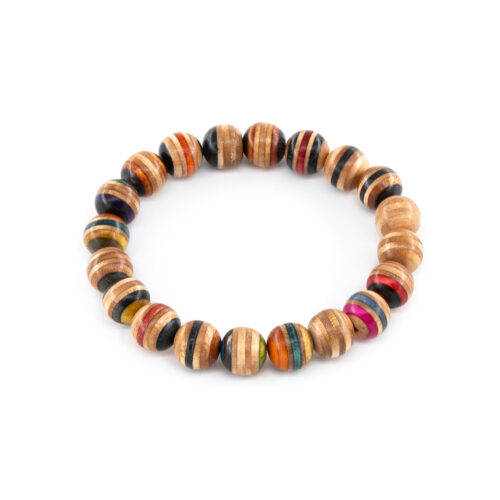
Bold Rainbow Bracelet – Strech
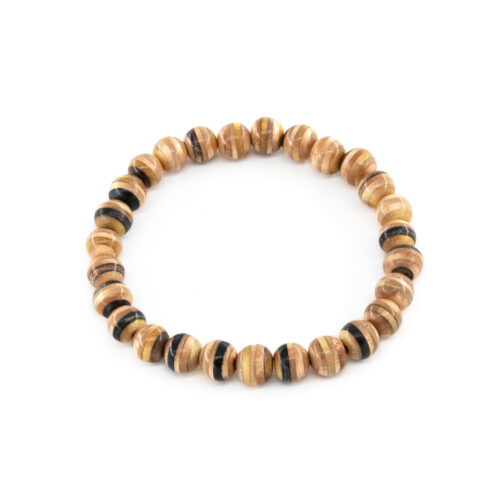
Stretchable Yellow Bracelet
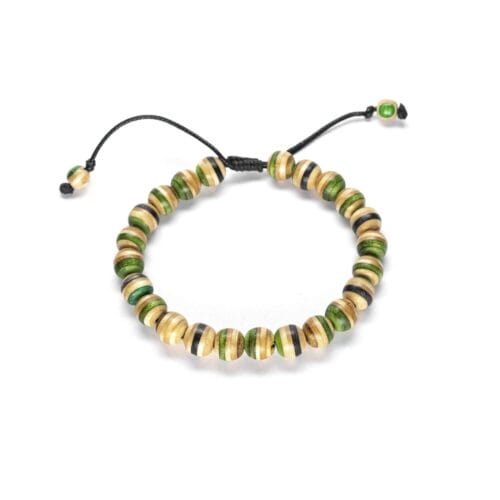
Small Green Bracelet
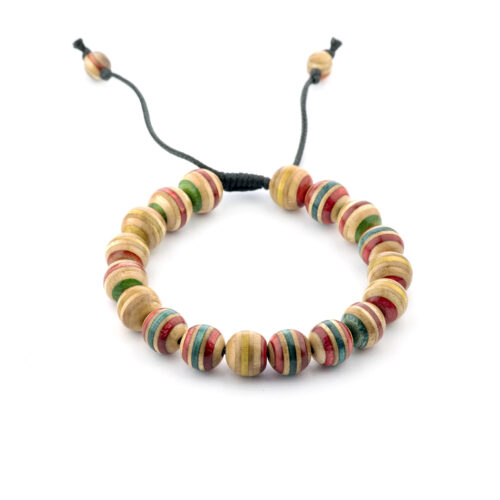
Red Bracelet