Add 3 items to your cart, pay for only 2!
Payment methods
In recent years, the fashion industry has undergone a significant transformation, driven by the urgent need for sustainable practices. As we progress further into 2025, the importance of embracing sustainable fashion becomes even more evident, not just for environmental preservation but also for social equity and economic resilience. Recognizing that major industry shifts often originate from individual actions, this movement underscores that tangible change begins with small, conscious choices made daily by consumers, brands, and communities.
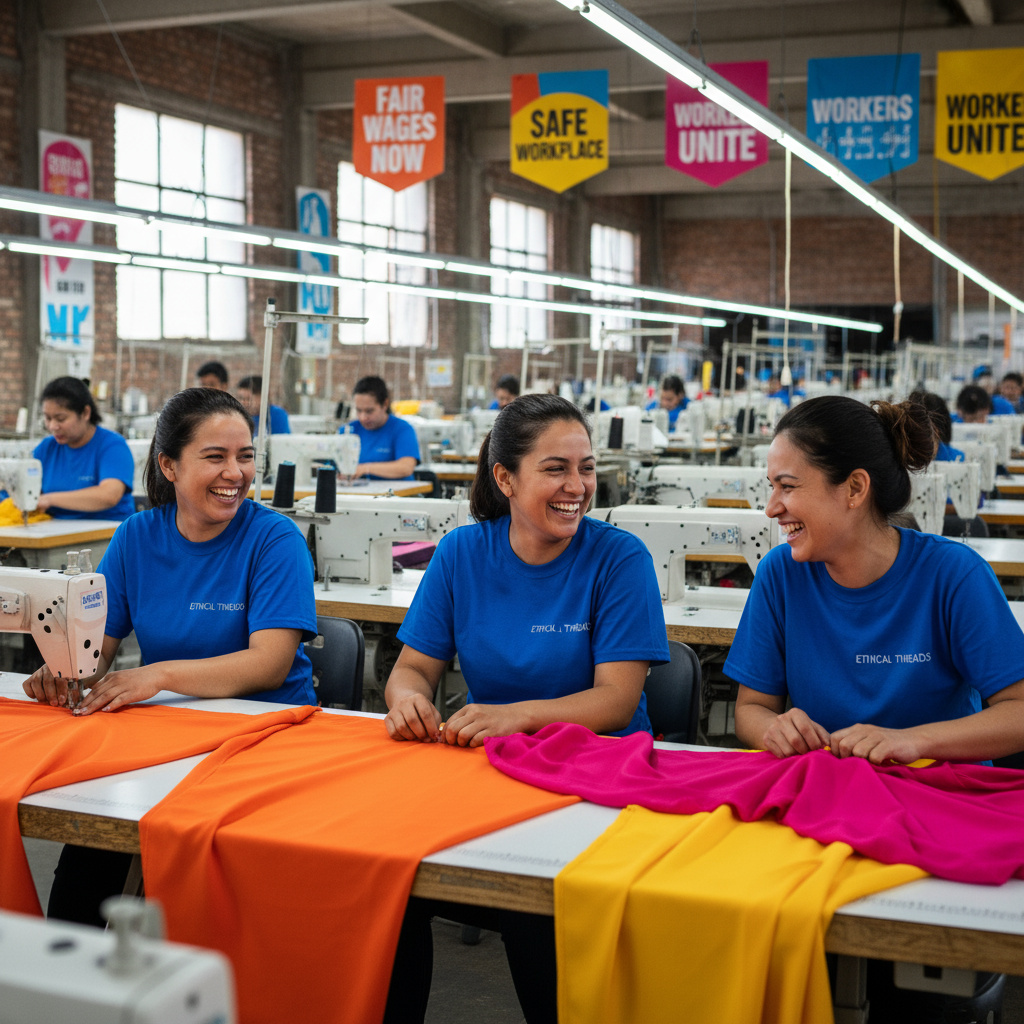
Core principles of sustainable fashion revolve around reducing the ecological footprint of clothing production and fostering social responsibility across the supply chain. This includes prioritizing eco-friendly materials such as organic cotton, recycled fibers, and biodegradable fabrics, which minimize environmental harm during cultivation and manufacturing. Ethical labor practices are equally critical, ensuring fair wages, safe working conditions, and the eradication of child labor. Circular design approaches—where garments are created with their entire lifecycle in mind—help extend product longevity and facilitate reuse, repair, or recycling, thus combatting the pervasive issue of textile waste.
Transparency is another pillar of sustainable fashion. Consumers increasingly demand clarity about where, how, and by whom their clothing was made. This heightens accountability among brands and fosters a culture of trust. As evidenced by initiatives like supply chain audits and certifications, verified transparency reassures consumers that their purchases support genuine sustainability efforts, discouraging greenwashing—deceptive marketing that falsely claims environmental benefits.

Transitioning to sustainable fashion in 2025 involves understanding the environmental impact of traditional practices. The industry’s water consumption, chemical pollution from dyes, and microplastic shedding during washing are pressing concerns. For example, fast fashion, characterized by rapid turnover and low-quality materials, exacerbates waste and pollution. Shifting away from these models toward circular economies—where garments are designed for durability, recyclability, and upcycling—reduces the strain on natural resources and extends the lifespan of clothing items.
Recognizing that individual choices significantly influence industry trends, consumers today are becoming more conscious of their purchasing habits. Actions such as selecting higher-quality garments that last longer, supporting brands with transparent sustainability credentials, and opting for secondhand or upcycled clothing pieces contribute to a broader cultural shift. This ripple effect can motivate brands to prioritize sustainable practices, ultimately leading to systemic change in the way fashion is produced, consumed, and disposed of.
In the context of Skate4Create, a platform dedicated to inspiring responsible creativity, this movement aligns perfectly with fostering community-based initiatives. From organizing clothing exchanges to promoting DIY upcycling workshops, empowering individuals to participate in sustainable fashion practices helps build resilient, eco-conscious communities. Such grassroots efforts serve as catalysts for larger industry reforms, illustrating that collective small choices accumulate into meaningful ecological and social progress.
As the world moves deeper into 2025, the message remains clear: real change hinges on everyday decisions. Whether it is choosing sustainable materials, repairing a beloved jacket, or supporting ethical brands, each action contributes to a resilient, responsible fashion ecosystem. Small choices, when multiplied across communities and industries, have the power to reshape the future of fashion—making sustainability not just an aspiration, but an attainable reality driven by informed, deliberate consumer engagement.
As awareness around sustainable practices deepens, understanding the true environmental footprint of the fashion industry remains crucial. In 2025, the industry’s ecological challenges are more evident than ever, prompting a shift toward innovative solutions and systemic reforms. One of the most significant issues is water consumption. Traditional textile manufacturing, especially in the production of cotton and synthetic fibers, requires vast quantities of water, often compromising local ecosystems and depleting water sources. For instance, the cultivation of conventional cotton can use up to 10,000 liters of water per kilogram, a stark contrast to organic cotton or hemp, which demand significantly less.
Alongside water consumption, chemical pollution from dyes and finishing agents presents another dire environmental concern. The prevalent use of toxic dyes and hazardous chemicals pollutes waterways and endangers aquatic life, especially in regions lacking proper wastewater treatment facilities. The diffusion of eco-friendly dyeing technologies, including waterless dyeing and natural colorants, has gained prominence, yet widespread adoption remains a work in progress. Microplastic shedding during laundering, particularly from synthetic fibers such as polyester, contributes significantly to ocean pollution. Microplastics bypass filtration systems, entering marine food chains and affecting ecosystems at all scales.
Textile waste exacerbates environmental degradation. Fast fashion’s rapid turnover leads to masses of discarded clothing, much of which is non-biodegradable, ending up in landfills or incinerators. As landfills emit greenhouse gases and leach chemicals, their overflowing capacity is an increasing concern. The global movement toward circular design and extended product life aims to counteract this trend. Recycling initiatives, fabric reprocessing, and innovative biomaterials promise reduced reliance on virgin resources, fostering a more sustainable lifecycle approach.
One notable shift is the transition from linear to circular models—designing garments with disassembly and recycling in mind. Brands are experimenting with biodegradable textiles, such as mushroom leather or PLA-based fibers, which decompose naturally after disposal. Resource recovery technologies, like chemical recycling of polyester, enable the fabric to be broken down into its raw components and remanufactured into new clothing, thus closing the loop. This systemic change aligns with the growing consumer demand for transparency and accountability from brands committed to reducing their ecological impact.
The imperative for individual action in this context is clear. Consumers influenced by environmental concerns often opt for higher-quality pieces built to last, reducing the cycle of discard and replacement rooted in fast fashion. When individuals choose textiles with lower environmental footprints, such as recycled polyester or organic linen, they contribute to demand-driven change. Supporting brands that implement resource-efficient manufacturing processes and invest in biodegradable materials further accelerates systemic improvements in industry standards.
At Skate4Create, emphasizing grassroots initiatives like workshops on fabric recycling and zero-waste clothing design illustrates how community engagement catalyzes broader shifts. Such programs empower individuals to understand their role within the ecological footprint of fashion. By fostering awareness and encouraging eco-conscious choices, these efforts scale impact beyond individual wardrobes, fostering a collective responsibility that pushes entire industries toward sustainability.
In 2025, the combination of technological innovation and consumer activism underscores that meaningful environmental progress hinges on tangible choices. Transitioning to eco-friendly fabrics, reducing resource-intensive practices, and supporting systemic change are all within reach—each small decision contributing to a more responsible, resilient fashion ecosystem.
As we move deeper into 2025, the significance of sustainable fashion becomes more apparent than ever. Beyond environmental concerns, it encompasses social responsibility, economic stability, and the pressing need for systemic change in the way apparel is produced, consumed, and discarded. The journey toward a more sustainable fashion industry is not solely driven by large corporations or policy reforms; it fundamentally relies on the collective impact of individual choices made daily by consumers, creators, and communities. Small, deliberate decisions—such as selecting eco-friendly fabrics, repairing garments, or supporting transparent brands—serve as catalysts for profound transformation.

This shift begins with awareness. Consumers today are increasingly informed about the lifecycle of their clothing and the environmental and social implications of their purchases. Making conscious choices—opting for garments made from organic, recycled, or biodegradable materials—reduces reliance on resource-intensive fibers like conventional cotton and synthetic fabrics. Supporting brands that prioritize transparency and fair labor standards sends a strong message to the industry, incentivizing sustainable manufacturing practices across the supply chain. Such individual preferences influence brand strategies, encouraging widespread adoption of ethical and environmentally friendly operations.
The ripple effect of these decisions extends beyond the point of purchase. Repairing or upcycling existing clothing extends the lifespan of garments and diminishes waste. Participating in community-led initiatives, such as clothing exchanges or DIY workshops, fosters a culture of sustainability grounded in shared responsibility. These grassroots efforts not only reduce environmental impact but also challenge the fast-paced, disposable mindset that has historically characterized fashion consumption.
Supporting local or small-scale brands often means investing in quality and craftsmanship, which translates into durable garments that withstand the test of time. This mindset shift—from quantity to quality—aligns with the broader goals of reducing wardrobe turnover and the associated environmental footprint. Additionally, choosing brands committed to ethical practices and carbon neutrality helps to drive systemic change from within the industry.
Digital platforms and social media amplify the influence of individual actions. Sharing stories about sustainable finds, promoting conscious brands, or showcasing DIY projects inspire others to adopt similar behaviors. Online communities foster accountability and create a collective consciousness that accelerates industry-wide reforms. For example, initiatives advocating for transparency and certifications—such as Fair Trade or GOTS—empower consumers to verify the authenticity of sustainability claims, combating greenwashing and ensuring their efforts contribute to genuine progress.
At Skate4Create, a platform dedicated to empowering responsible creativity, recognizing the power of collective small choices is central to its ethos. From organizing local upcycling workshops to supporting young designers experimenting with eco-friendly materials, these initiatives operate on the principle that individual actions seed larger cultural shifts. Small, intentional decisions made by communities can influence industry standards, prompting brands to innovate and adapt for greater sustainability and social fairness.
In the context of 2025, the message is clear: sustainability is accessible through everyday decisions. Whether choosing sustainably sourced fabrics, repairing rather than replacing, or advocating for fair labor practices, each choice compounds into a movement that can reshape the future of fashion. The cumulative impact of small but intentional choices empowers consumers to be active participants in building a responsible, resilient fashion ecosystem where sustainability is a natural standard rather than an exception.
One of the most effective strategies for fostering sustainability in the fashion industry in 2025 is adopting circular design principles. Unlike traditional linear models—where garments are produced, worn, then disposed of—circular design emphasizes designing products that can be reused, recycled, or repurposed at the end of their lifecycle. This approach reduces waste and conserves resources, aligning with the broader goal of creating a closed-loop system in apparel manufacturing.
Implementing circular design begins with selecting materials that are durable and recyclable. It also involves designing garments with disassembly in mind, facilitating easier separation of different fabric components for recycling or upcycling. Brands are increasingly exploring modular clothing, where parts can be replaced or upgraded without discarding the entire piece. For example, garments with removable sleeves or adjustable components extend wearability and adaptability, thus decreasing the need for new purchases.
Biodegradable textiles play a crucial role in this paradigm shift. Materials such as mushroom leather, Tencel, and other bio-based fibers are designed to decompose naturally after disposal, significantly reducing environmental impact. Moreover, resource recovery technologies, like chemical recycling of polyester, allow fabrics to be broken down back into their raw components and reprocessed into new textiles, facilitating a truly circular lifecycle.
Supporting these innovations are business models that incorporate clothing rental, resale, and upcycling services. These approaches extend the usability of garments and create economic incentives for responsible consumption. For consumers, participating in such systems means viewing clothing not as disposable commodities but as valuable resources that can be continuously repurposed, repaired, or reintroduced into the market.

Community-based initiatives foster awareness and participation in circular practices. Workshops on upcycling or repair programs hosted by platforms like Skate4Create encourage individuals to take ownership of their wardrobes. These initiatives demystify complex processes and demonstrate that sustainability can be integrated into everyday fashion choices without necessarily requiring niche skills or high costs. Such grassroots movements generate momentum that influences industry standards, pushing brands toward more sustainable, circular approaches.
While the transition toward circular design requires initial investment and innovation, the long-term environmental and economic benefits are undeniable. Small choices by consumers—such as opting for clothing made from recyclable materials, supporting brands that implement closed-loop systems, or participating in local repair and upcycling events—collectively shape a more sustainable fashion ecosystem. In 2025, these small but strategic decisions can accelerate systemic change, making circularity not just an aspirational goal but a practical reality for the industry.
By embracing circular design principles, the fashion industry can significantly reduce its ecological footprint, cut down on textile waste, and foster resilient local economies. For individuals, this means making informed choices that promote longevity, adaptability, and resource efficiency—contributing directly to the shift toward more responsible and sustainable fashion practices.
As the fashion industry advances into 2025, understanding the profound impact of individual consumer decisions becomes increasingly vital. While large-scale policy reforms and corporate innovations are crucial, the collective power of small, deliberate choices can catalyze systemic change. Recognizing this dynamic, organizations like Skate4Create serve as platforms that empower communities to take responsibility for their fashion footprints, highlighting the significance of small actions in creating large-scale sustainability impacts.
One of the key ways consumers influence industry standards is through their purchasing preferences. Favoring brands that actively demonstrate transparency, fair labor practices, and a commitment to eco-friendly materials leads to a market shift. When customers choose sustainable options—whether organic cotton T-shirts, recycled polyester hoodies, or upcycled accessories—they send a strong market signal to brands to prioritize responsible production methods. This ripple effect incentivizes companies to adopt cleaner manufacturing processes, seek certifications, and innovate in fabric development, ultimately transforming industry norms.
Supporting responsible brands is complemented by advocacy for transparent supply chains. Consumers increasingly demand visibility into the entire lifecycle of their clothing, which encourages brands to disclose sourcing practices and labor conditions. Verified credentials such as Fair Trade, GOTS (Global Organic Textile Standard), or B Corp certifications provide measurable assurance of ethical standards. By making informed choices based on credible information, shoppers can avoid greenwashing—where brands exaggerate or falsify sustainability efforts—and foster genuine accountability.
Beyond purchasing, everyday behaviors like repairing garments, repurposing old clothes, and supporting secondhand markets have outsized effects. Repairing a favorite jacket rather than discarding it extends its life and reduces the demand for new production. Participating in community swaps, hosting clothing exchanges, or learning DIY upcycling techniques through platforms like Skate4Create cultivates a mindset of resourcefulness and minimizes waste accumulation. These habits, rooted in small but conscious decisions, contribute significantly to diverting textiles from landfills and decreasing overall environmental impact.
Social media plays a pivotal role in amplifying individual efforts. Sharing stories of sustainable wardrobe choices, showcasing upcycled projects, or highlighting responsible brands fosters peer influence and creates broader social awareness. Online communities serve as hubs where knowledge exchange and motivation flourish, encouraging more people to adopt sustainable habits. This collective consciousness can push brands to be more transparent and innovative, knowing their efforts are publicly scrutinized and supported by an informed consumer base.
From grassroots initiatives to individual actions, the cumulative effect forms a powerful momentum for change. Every purchase aligned with sustainability principles and every upcycling project undertaken contributes to breaking the cycle of overconsumption and waste. This is where Skate4Create exemplifies its mission—driving community-driven initiatives that prove small actions, when scaled across a population, can transform the fashion landscape. Workshops on responsible manufacturing, DIY upcycling, and education about fabrics are tools that empower individuals to be active agents of change.
In 2025, the emphasis is clear: responsible fashion is accessible, and small choices are the foundation of a sustainable future. Brand loyalty rooted in ethical practices, conscious shopping, and active community participation reinforce the idea that sustainable fashion is not an abstract ideal but a practical, attainable reality. The more consumers recognize their power to influence, the faster the industry will adapt, transitioning toward more responsible and resilient practices. Ultimately, each small choice woven into daily routines contributes toward shaping a responsible fashion ecosystem capable of addressing the planet’s ecological and social challenges.
In 2025, the push toward sustainability in fashion has gained unprecedented momentum, driven not only by technological innovations and policy changes but also by the everyday decisions of consumers and small brands. While large corporations wield significant influence, the true power of transformation lies in collective small choices—everyday actions that, when aggregated, lead to a more responsible industry. Recognizing this, platforms like Skate4Create are fostering community-led initiatives that demonstrate how grassroots efforts can redefine standards and inspire systemic reform.
One of the most potent ways individuals influence the fashion industry is through purchasing behaviors. Choosing brands committed to transparency, fair wages, and eco-friendly materials pushes companies to prioritize sustainability. For instance, opting for garments made from recycled or biodegradable fabrics signals to brands that consumers value environmental responsibility. Supporting smaller, local, or ethically certified brands amplifies this effect since these companies often operate with more sustainable and humane practices. Such conscious choices create a ripple effect, encouraging larger brands to adopt similar standards to stay competitive and meet consumer demand.
Beyond purchases, everyday activities like repairing and upcycling clothing extend garment lifespan and reduce textile waste. Participating in community clothing exchanges or DIY workshops not only promotes responsible consumption but also cultivates a culture of resourcefulness and shared responsibility. These grassroots efforts often serve as testing grounds for new ideas and practices that can eventually influence industry standards. When communities embrace repair and upcycling, they challenge the disposable mindset ingrained in fast fashion culture, fostering a deeper appreciation for craftsmanship and durability.
Social media and online communities further magnify the impact of individual actions. Sharing stories about sustainable wardrobe choices, showcasing upcycling projects, and advocating for responsible brands help to build collective awareness. This virtual ripple fosters a sense of accountability and inspires others to make informed decisions. Platforms like Skate4Create exemplify how digital engagement can support community-driven movements, mobilizing a broad base of participants to push industries toward more transparent and ethical practices.
Educational initiatives at the grassroots level play a crucial role. Workshops on fabric recycling, DIY repair, or sustainable styling empower individuals with skills and knowledge, making eco-conscious habits accessible and practical. When communities embrace these practices, they not only diminish their own environmental impact but also generate demand for sustainable products. This demand compels brands to innovate, invest in sustainable materials, and improve labor conditions, creating a cycle where small choices drive large-scale systemic change.
Small choices also extend to wardrobe management. Investing in versatile, durable pieces that can be styled in multiple ways helps reduce overall consumption. Considering the ‘cost per wear’ approach encourages consumers to view clothing as an investment rather than a disposable commodity. This mindset shift supports sustainable consumption, where quality, longevity, and adaptability take precedence over fleeting trends.
Ultimately, in 2025, the collective impact of individual decisions underscores that sustainability is not an abstract ideal but a practical, accessible goal. Every conscious purchase, repair, or upcycling effort contributes to a resilient fashion ecosystem. As communities join forces, they create a groundswell of responsible behavior that compels brands to operate more ethically and sustainably. The message is clear: real change begins with small choices that, when made consistently, hold the power to shape the future of fashion into a more sustainable and equitable industry.
As the fashion industry continues to grapple with its ecological and social footprints, the significance of individual consumer agency cannot be overstated. In 2025, this influence has become more pronounced, emphasizing that mass industry shifts are often rooted in the collective small decisions of countless individuals. From supporting ethical brands to embracing repair and upcycling practices, these seemingly modest actions catalyze broader systemic reform. Communities and platforms like Skate4Create illustrate this principle by fostering local initiatives and educational programs that empower people to take responsibility for their fashion choices, reinforcing that real change starts at the grassroots level.
Practically, every informed purchase made with sustainability in mind challenges the status quo of fast fashion. Supporting companies that prioritize transparent supply chains, fair wages, and eco-friendly materials incentivizes industry-wide improvement. When consumers opt for products made from recycled fabrics or biodegradable textiles, they effectively send a market signal that sustainability is a priority. This, in turn, compels brands to adopt cleaner, more responsible production methods—such as using organic dyes, reducing water consumption, or implementing circular design principles—ultimately transforming industry standards from the demand side.
Another crucial aspect of small yet impactful choices is extending the lifespan of garments. Repairing clothing, upcycling, and participating in clothing exchanges significantly reduce waste and lessen the environmental burden of new production. Simple acts like replacing a broken zipper or sewing on a patch can transform a discarded piece into a cherished item, curbing the disposable mentality ingrained in fast fashion culture. Community-led initiatives, including DIY workshops or local swap meets facilitated by organizations like Skate4Create, foster a culture of resourcefulness and shared responsibility that amplifies individual efforts.

Engaging actively in secondhand markets and rental platforms constitutes another strategic small choice with outsized impact. Embracing pre-owned fashion not only extends the lifespan of garments but also diminishes the demand for new production—thus reducing resource depletion and pollution. Subscriptions or rental outfits for special occasions have emerged as sustainable alternatives, allowing individuals to enjoy variety while minimizing waste. These practices, championed by responsible brands and community initiatives, help dismantle the throwaway culture and embed sustainability into everyday fashion routines.
Furthermore, the role of digital platforms in amplifying these responsible behaviors is undeniable. Sharing stories of sustainable wardrobe transformations, upcycling projects, or advocating for brands committed to ethical standards creates a ripple effect that influences broader audiences. Platforms like Skate4Create facilitate this by organizing awareness campaigns, challenges, and educational content that inspire collective action. When communities recognize their power to influence industry standards through daily, conscientious decisions, sustainability transitions from an abstract goal to a tangible reality.
Each small choice, from buying fewer but higher-quality garments to advocating for transparency, contributes to a resilient, responsible fashion ecosystem. It is through these collective micro-movements that the industry can be pressured, innovated, and reoriented toward sustainability. Platforms like Skate4Create exemplify this approach by creating spaces where individuals can learn, share, and advocate for ongoing progress. As the movement gains momentum, it reaffirms that sustaining the planet and supporting social justice in fashion fundamentally begins with the choices each person makes, day after day.
In 2025, the collective recognition that every purchase, repair, or shared story matters fuels a cultural shift toward sustainability. While systemic reforms remain essential, it is the cumulative effect of small, deliberate actions that truly accelerates industry-wide transformation—proving that real change is within everyone’s reach and that every individual effort counts in shaping a more responsible future for fashion.
As the momentum towards sustainability intensifies in 2025, the profound impact of individual consumer behavior remains a critical driver of industry transformation. While macroeconomic policies and corporate commitments undoubtedly influence the landscape, the collective effect of small, deliberate decisions made daily by consumers, community groups, and emerging designers forms the foundation for systemic change. Platforms like Skate4Create exemplify how grassroots efforts—such as community-led upcycling projects, educational programs on sustainable fabrics, or awareness campaigns—embody the principle that significant progress begins with individual action.
One of the most tangible ways consumers influence the industry is through their purchasing choices. Opting for garments crafted from eco-friendly, ethically sourced materials sends a clear message to brands that consumers prioritize environmental and social responsibility. When consumers choose brands that demonstrate transparency regarding their supply chains, use organic or recycled fabrics, and uphold fair labor standards, they create a demand signal compelling the industry to adopt more responsible practices. This pattern encourages larger brands to innovate in product development, adopt sustainable certifications, and improve transparency, establishing a cycle where small decisions exert outsized influence.
Beyond purchases, the habits of repairing, repurposing, and upcycling clothing significantly extend the lifecycle of garments. Participating in community clothing exchanges or DIY repair workshops fosters a culture of resourcefulness, reduces textile waste, and challenges the fast fashion mentality of disposability. Such grassroots initiatives, often facilitated through organizations like Skate4Create, demonstrate how local actions can ripple outward, inspiring broader industry shifts.
In addition, supporting secondhand markets and clothing rental platforms embodies eco-conscious choices that mitigate environmental impacts while offering variety and affordability. These options diminish the demand for new textile production, conserve resources, and promote a culture of reuse. Consumers engaging with these models reinforce the message that fashion should be about longevity and versatility rather than cycles of rapid disposal. Such behaviors, though seemingly small, aggregate into substantial shifts in consumption patterns.
Digital platforms amplify these efforts by providing spaces to share success stories, DIY projects, or educational content that inspire others to follow suit. Social media campaigns raising awareness about responsible brands, eco-friendly fabrics, and sustainable styling ideas foster a sense of community and collective accountability. This interconnectedness accelerates the cultural shift, urging industries to respond to conscious consumer demand.
The cumulative power of such individual decisions fosters a resilient, adaptive, and ethically driven fashion ecosystem. Each purchase aligned with sustainability, every garment repaired or upcycled, and each story shared collectively push the industry toward greater accountability. For Skate4Create, this embodies the ethos that community engagement, education, and small, meaningful actions can drive larger systemic reforms, proving that sustainability is within everyone’s reach.
In 2025, the essential message remains: profound industry change hinges on the small, consistent choices made daily by individuals. When these behaviors are multiplied across communities and integrated into cultural narratives, they inspire brands to innovate, governments to enact policies, and consumers to advocate for a more responsible fashion future. Every small decision—whether buying sustainably, participating in a community swap, or sharing knowledge—adds up to a powerful movement capable of shaping an industry that values environmental integrity and social justice equally.
By 2025, the significance of sustainable fashion continues to deepen, rooted in the acknowledgment that ecological and social well-being are interconnected. While advanced technologies and policy reforms set the stage, individual choices remain pivotal in steering the industry toward responsibility. As communities and brands alike recognize the power of small-scale actions, platforms such as Skate4Create amplify these efforts through grassroots initiatives, educational programs, and a culture of shared responsibility. Small decisions—choosing sustainable fabrics, repairing garments, or supporting transparent brands—collectively serve as the foundation for meaningful, systemic change.
In practice, this means that every decision made within a consumer’s daily routine has potential ripple effects. Selecting clothing items made from organic or recycled materials sends signals to brands about consumer priorities. Supporting local and ethical producers incentivizes industry-wide reform, prompting larger companies to adopt sustainable practices to meet increasing demand. Repairing or upcycling existing garments extends their lifespan, reduces textile waste, and challenges the culture of disposability that dominates fast fashion. Community-led initiatives—such as clothing swaps, repair workshops, or eco-fashion dialogues—build social momentum, demonstrating that responsible practices are accessible and impactful at the grassroots level.
Digital platforms, especially social media, play an essential role in magnifying these personal choices. Sharing success stories, DIY projects, and advocating for responsible brands fosters a collective consciousness that influences industry standards. When individuals showcase their responsible wardrobe transformations or sustainable styling, they inspire others to follow suit. This organic community-building creates a feedback loop, pushing brands to be more transparent and environmentally accountable. The combined effect of these seemingly small actions sparks a cultural shift where responsibility becomes embedded in everyday life.
Supporting secondhand markets, participating in clothing rental initiatives, and practicing wardrobe versatility exemplify strategic decisions that decouple fashion from its disposable model. Such choices reduce demand for new production, conserve resources, and challenge the throwaway mindset. Each of these actions, while individually modest, contributes significantly to lowering the industry’s ecological footprint. They also empower consumers to redefine value from quantity to quality—investing in durable, versatile pieces that support a longevity-based approach to fashion.
In concert, these practices strengthen the foundation for systemic change. Initiatives facilitated by Skate4Create exemplify this synergy, demonstrating how community engagement fosters skills, awareness, and shared commitment. Workshops on fabric recycling, upcycling, or designing for disassembly make sustainable practices accessible to all, illustrating that responsible fashion is achievable at every level. As these small choices coalesce across communities, they challenge existing industry norms and carve pathways for innovation—such as biodegradable textiles, resource recovery technologies, and circular business models—to take root more rapidly.
Every conscious decision—be it purchasing from eco-conscious brands, repairing a favorite garment, or advocating for fair labor—strengthens the movement toward a responsible fashion system. The cumulative impact influences industry standards, shifts consumer perceptions, and motivates brands to progress beyond superficial green marketing. Ultimately, in 2025, the fabric of responsible fashion is woven from countless small actions, each contributing to a resilient, sustainable future. Empowered individuals and communities demonstrate that transformation isn’t just a distant goal but an attainable reality rooted in everyday choices.
In 2025, the transformation of the fashion landscape is evident, yet its momentum rests heavily on the collective impact of individual decisions. While policy changes and corporate innovations pave the way, it is the small, consistent actions of consumers, creators, and communities that truly drive systemic change. Platforms like Skate4Create exemplify this grassroots approach, demonstrating how community-driven initiatives—such as local upcycling events, educational workshops, and advocacy—serve as catalysts for larger reform. Recognizing that meaningful progress often begins at the personal level underscores that sustainable fashion is accessible and actionable for everyone.
Every choice to support transparent, ethical brands or to opt for eco-friendly fabrics sends a clear market signal. When consumers prioritize sustainability—be it by choosing organic cotton, recycled polyester, or biodegradable textiles—they influence industry standards. This demand incentivizes brands to innovate in fabric development, adopt responsible manufacturing practices, and improve supply chain transparency. Over time, these small decisions collectively shift industry norms, making sustainability a baseline expectation rather than an exception. The ripple effect exemplifies how individual agency can shape a responsible future.
Beyond purchasing, lifestyle habits such as repairing garments, upcycling, and participating in community clothing exchanges amplify impact. Repairing a torn seam extends a garment’s lifecycle, reducing waste and decreasing the demand for new textiles. Upcycling transforms old clothing into new, stylish items, challenging the disposability ingrained in fast fashion. Community initiatives, like skill-sharing workshops facilitated by Skate4Create, empower individuals with the knowledge and confidence to incorporate sustainability into their routines. These activities foster a culture of resourcefulness and shared responsibility that resonates beyond individual wardrobes.
Digital platforms further extend the reach of responsible choices. Sharing stories of eco-conscious styling, upcycling projects, or sustainable brand discoveries creates a sense of collective purpose. Hashtag campaigns, online challenges, and educational content motivate more individuals to participate, reinforcing the idea that sustainability is within everyone’s power. This online community building accelerates societal shifts, encouraging brands to adopt more transparent and ethical practices in response to conscious consumer demand.
Supporting secondhand markets and clothing rental services exemplifies strategic small choices that challenge the linear consumption model. Buying pre-owned or renting outfits reduces new textile production, extends garment use, and cuts environmental costs. Such behaviors, supported by responsible brands and community networks, promote a shift from quantity-focused consumption to valuing durability and versatility. Each decision—be it choosing thrift shops or swapping clothes locally—constitutes a step toward a circular, responsible fashion ecosystem.
In addition, advocating for fair labor and ethical practices through informed choices amplifies social responsibility. Recognizing certifications like Fair Trade or GOTS allows consumers to verify genuine sustainability claims, fighting greenwashing. Sharing knowledge about supply chain transparency educates others and pressures brands to uphold higher standards. By combining these small actions—supporting ethical production, engaging in DIY fashion, and spreading awareness—the collective movement toward a responsible industry gains strength and momentum.
Each deliberate decision—from purchasing sustainable garments, repairing wear-and-tear, to participating in eco-focused communities—builds a foundation for systemic change. These actions foster a resilient, ethical fashion industry where responsibility is embedded in everyday behavior. As more individuals embrace this mindset, the market naturally shifts toward innovative practices, including bio-based textiles, closed-loop recycling, and community cooperatives. The crucial insight is that widespread, incremental steps—each small choice adding to the next—are essential for a sustainable, equitable fashion future.
Platforms like Skate4Create exemplify how empowering community-led initiatives can democratize sustainability, turning responsibility into an accessible, collective effort. In 2025, the emergent narrative underscores that real change starts on a personal level. When individuals recognize their power to influence the market through everyday actions, a ripple effect ensues—propelling the industry toward greater transparency, innovation, and social justice. Ultimately, sustainability in fashion is an evolving collective journey, with each small step laying the groundwork for substantial, lasting change.
Sustainable fashion in 2025 refers to apparel and accessory production practices prioritizing environmental protection, ethical labor, the use of renewable or recycled materials, and the transparency of supply chains from start to finish.
Begin by choosing higher-quality, longer-lasting clothes, supporting ethical brands, repairing/upcycling existing garments, and shopping secondhand or renting when possible.
Fast fashion prioritizes rapid, low-cost production and quick disposal, resulting in significant environmental and social harm; sustainable fashion emphasizes quality, fairness, and circularity, aiming to reduce negative impacts.
Look for credible certifications (e.g., GOTS, Fair Wear, B Corporation), transparent supply chain information, and verified impact reports, and beware of vague or misleading claims (greenwashing).
While upfront costs may be higher, sustainable purchases usually offer longer wear, better quality, and greater long-term value—for people and the planet.